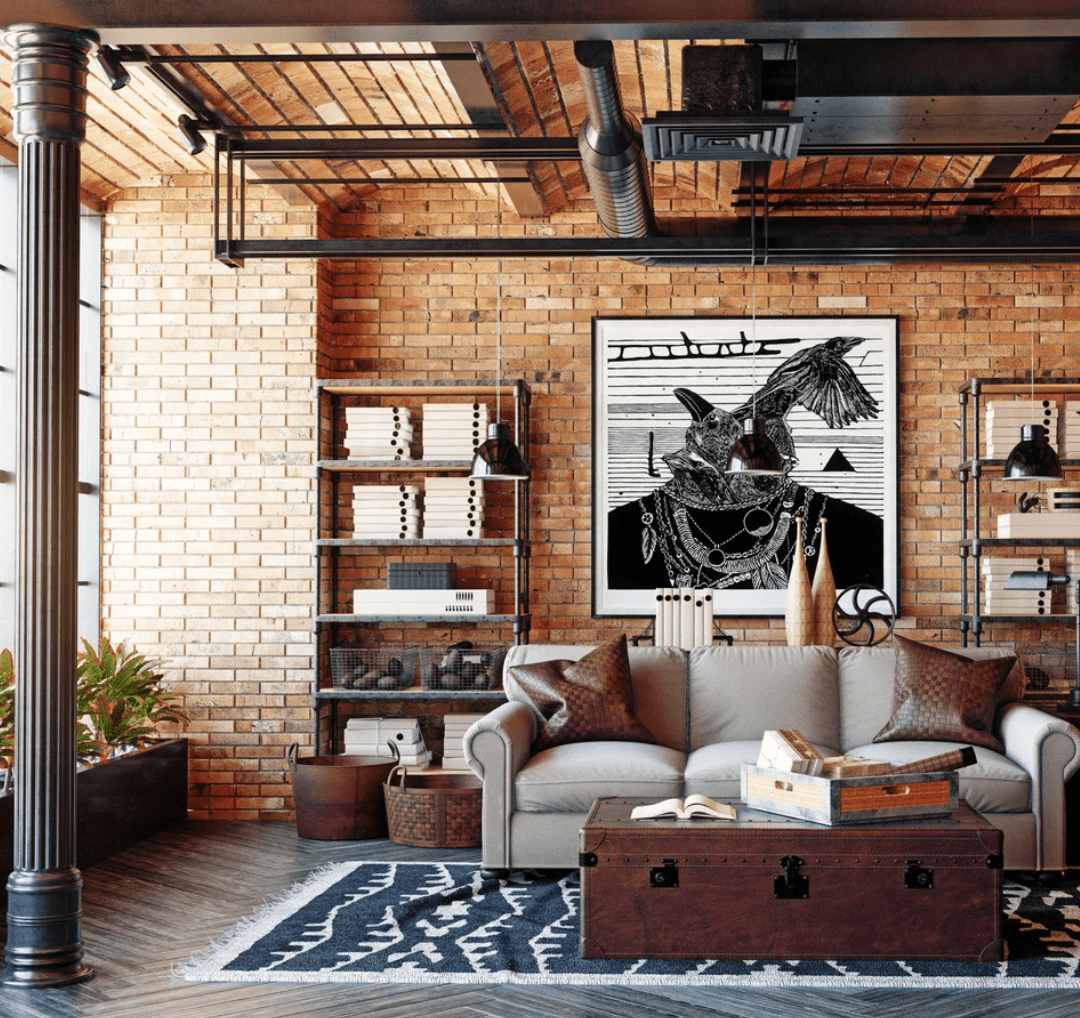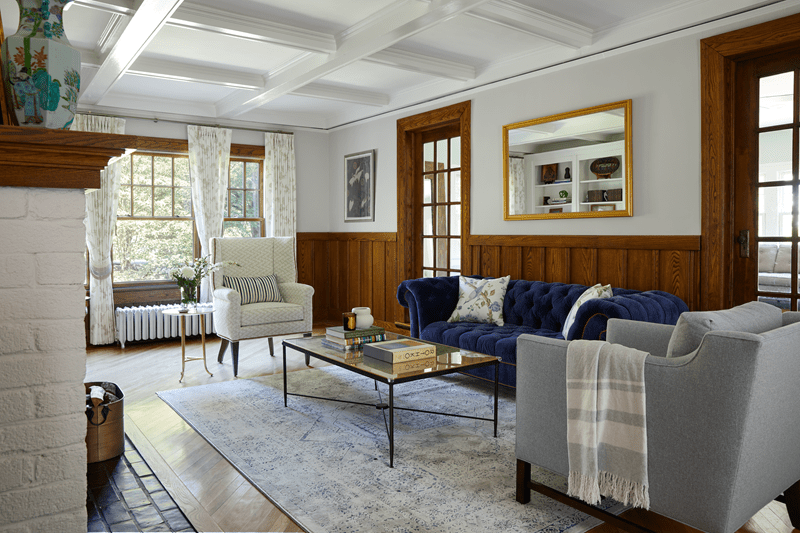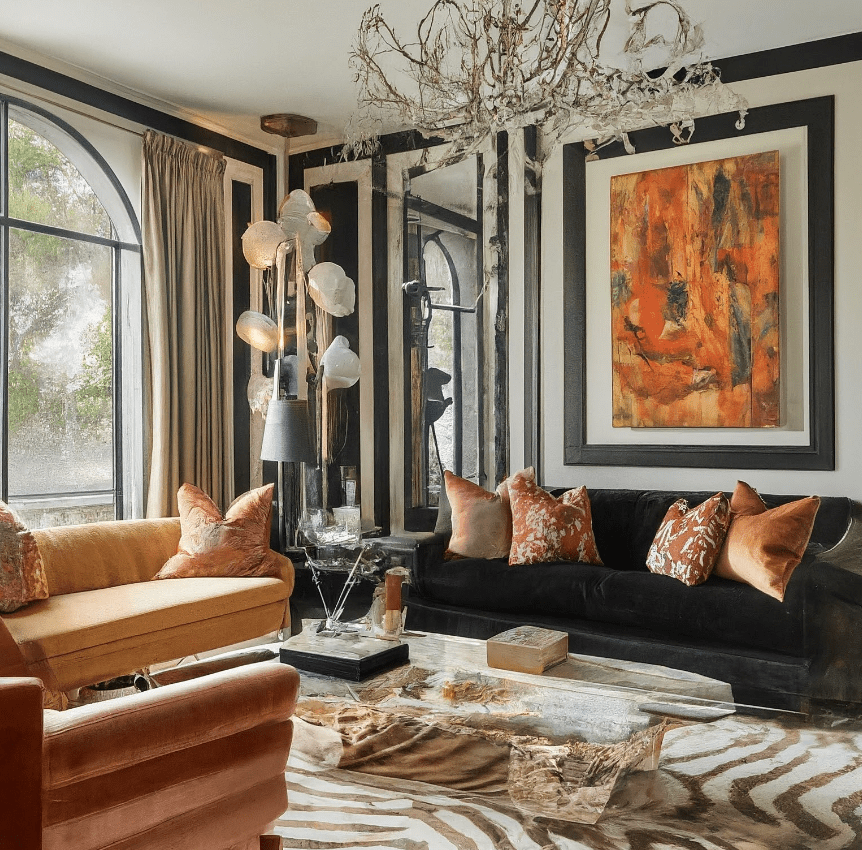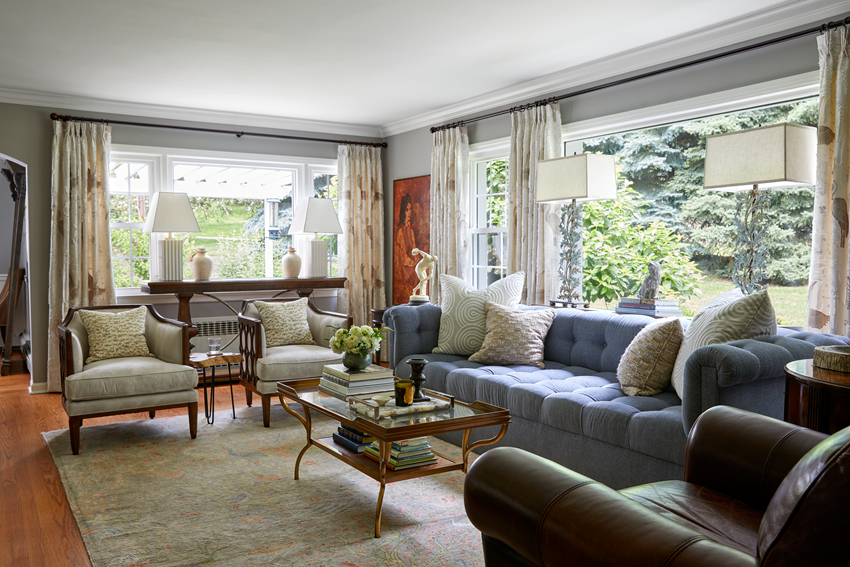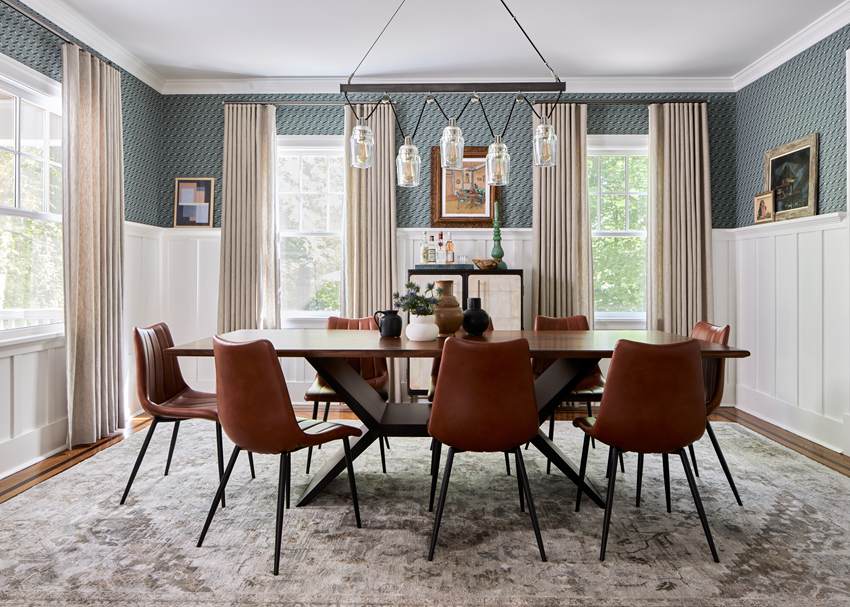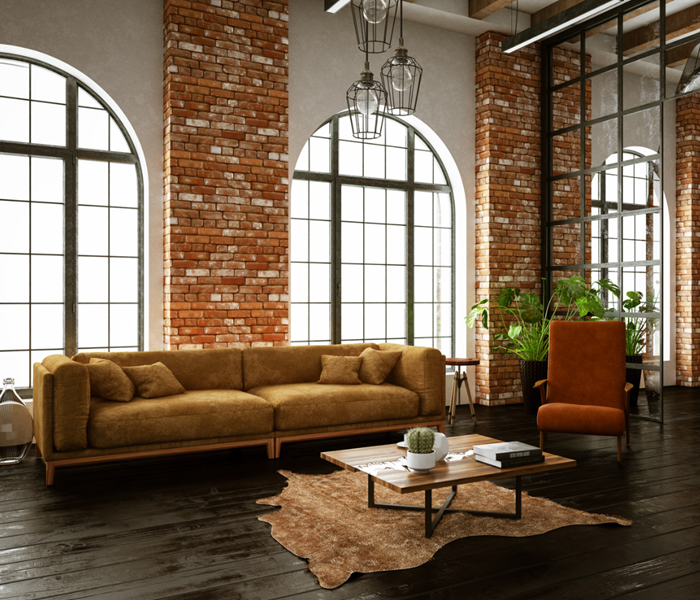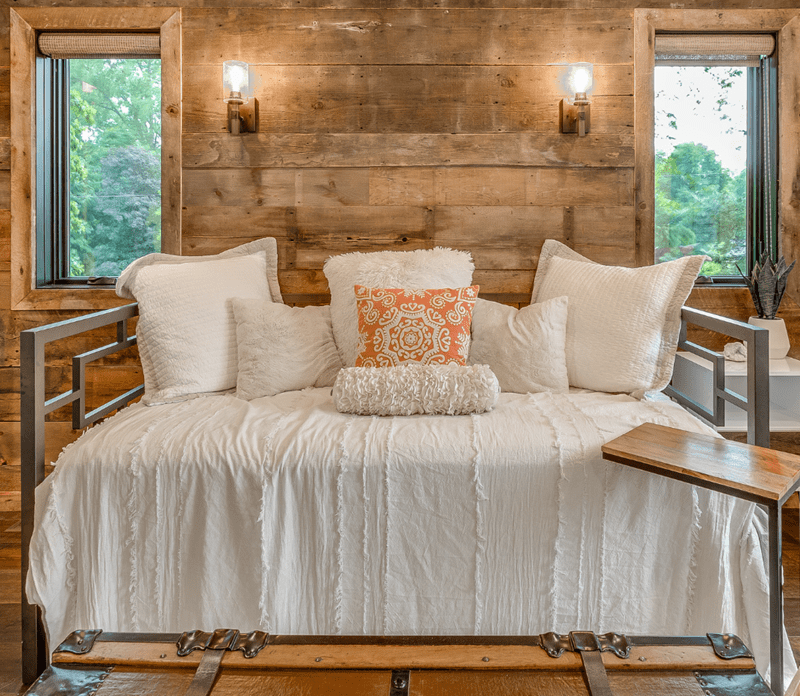


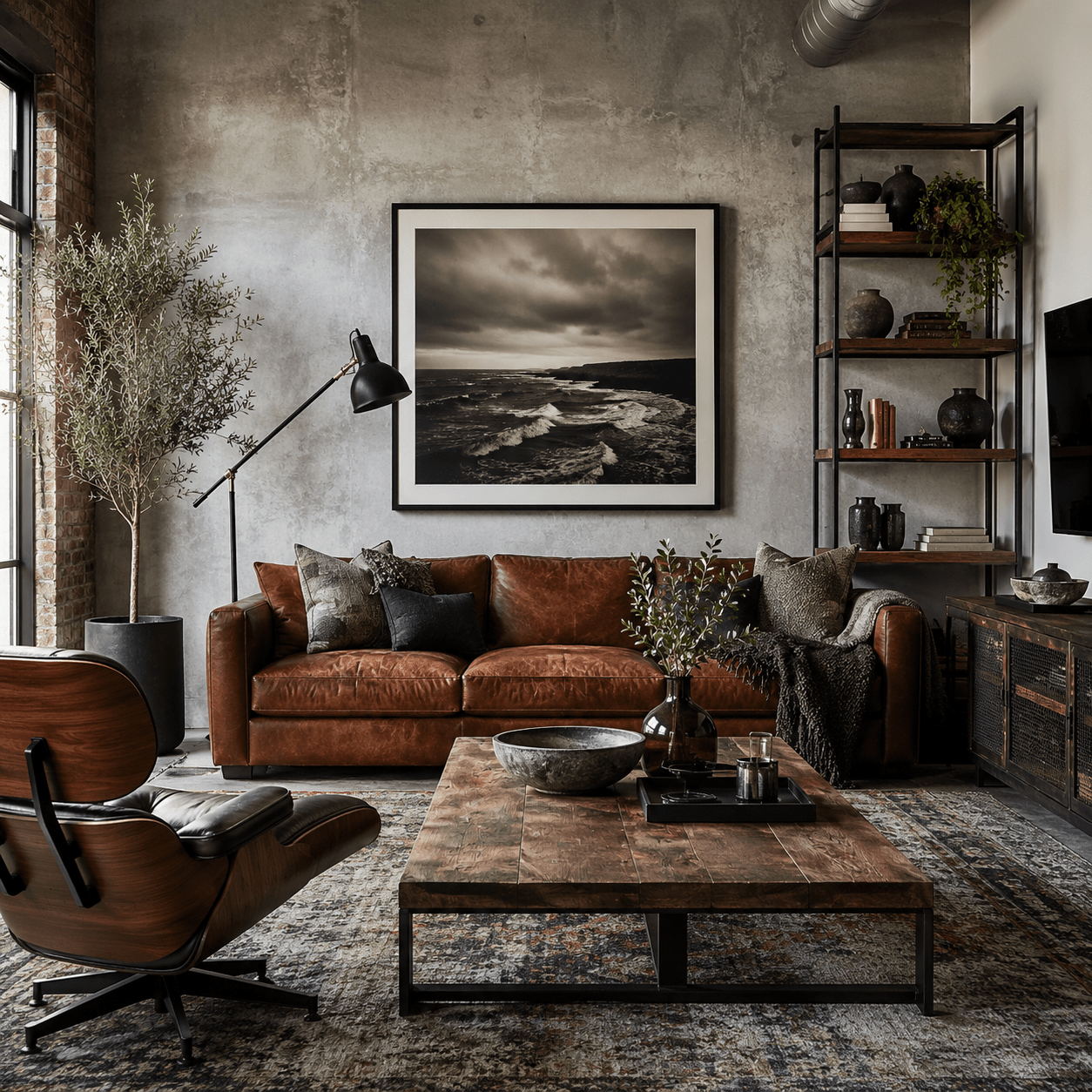
Industrial interior design is one of those styles that can make a living room feel instantly cooler, more grounded, and more interesting. It has that loft-inspired mix of leather, metal, wood, concrete, vintage finds, and moody color. But the best industrial rooms are not cold or overly themed. They feel warm, comfortable, and collected.
The trick is balance. You want the room to have an edge, but still feel like a place where people can relax, watch a movie, have a drink, or hang out with family. Mix strong materials with softer layers: a leather sofa with a textured rug, black metal lighting with warm wood, oversized art with cozy pillows, and vintage-inspired pieces with polished details.
Start With a Leather Sofa
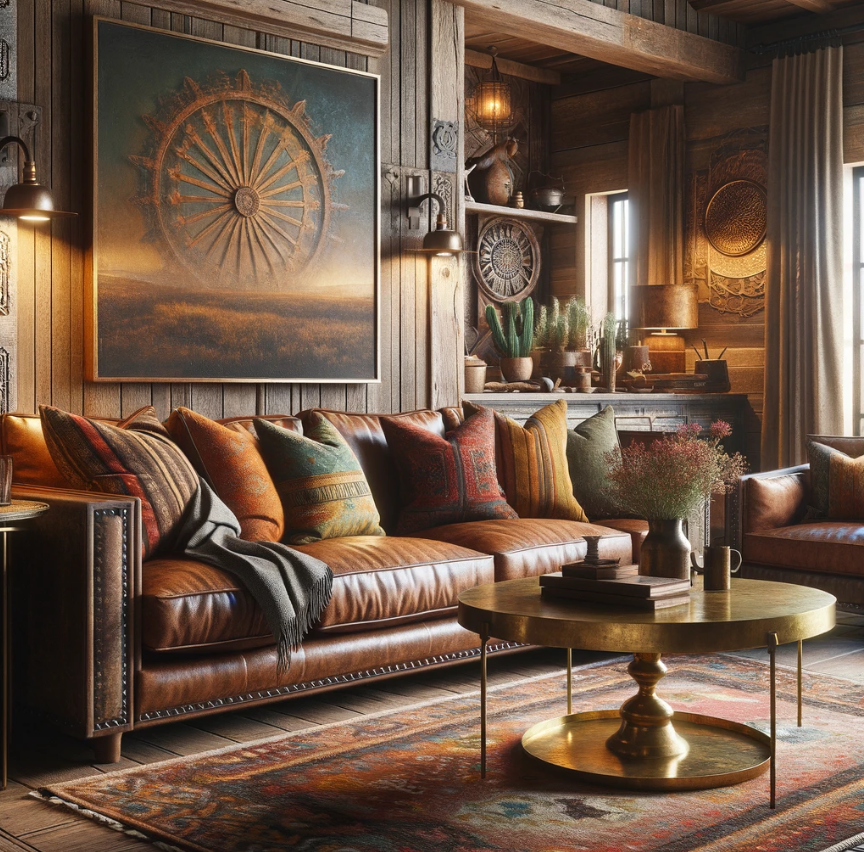
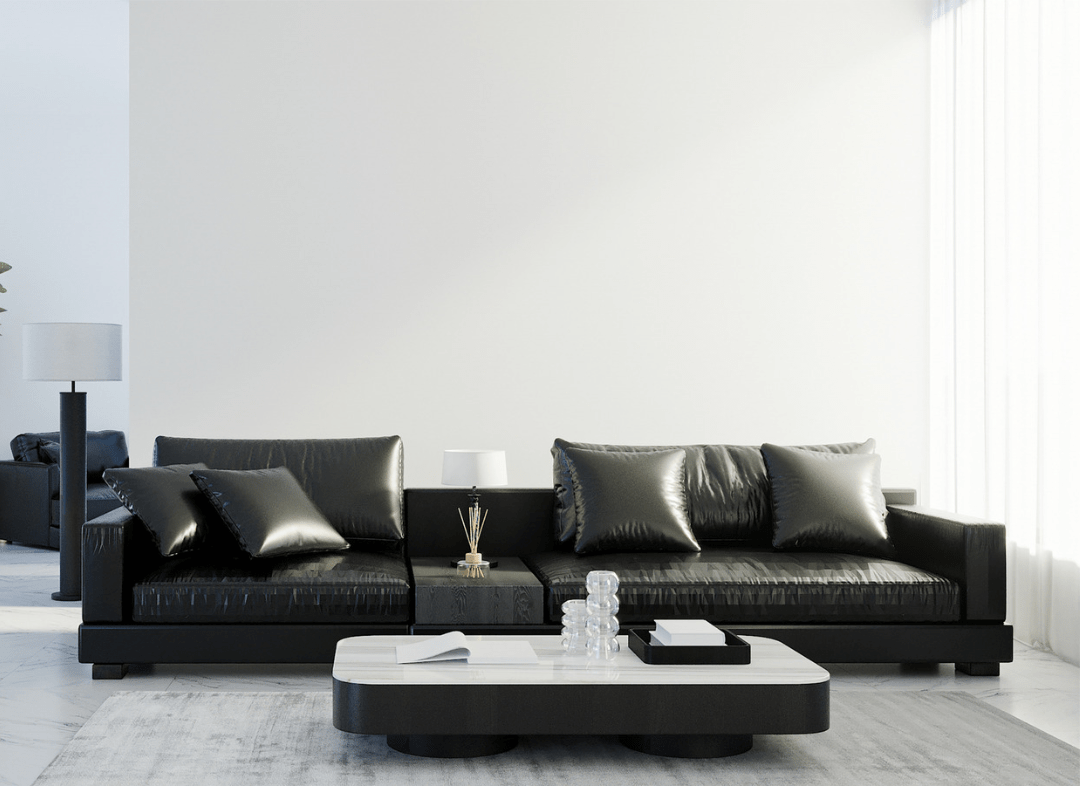
A leather sofa is one of the easiest ways to build an industrial living room. It brings warmth, texture, and that slightly rugged feeling the style is known for. Look for leather in cognac, saddle brown, espresso, black, or charcoal. These colors pair beautifully with black metal, reclaimed wood, brick, stone, and concrete-inspired finishes.
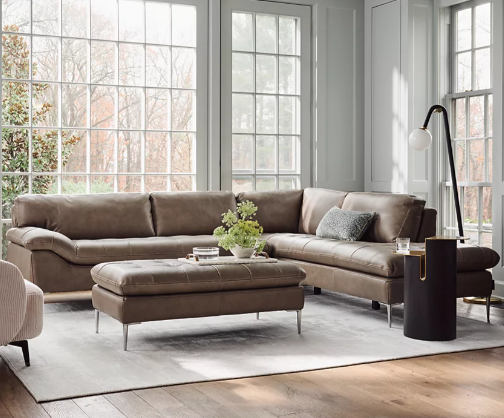
For a refined option, the Berwick Leather Sofa from Arhaus is a strong fit. It has a tailored shape, rich leather, gunmetal nailhead detailing, and a wood base, so it feels polished without looking too formal. If the room is larger, a leather sectional from Arhaus can also work well. Just keep the silhouette clean and structured.
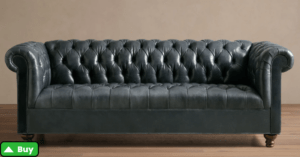
Berwick Leather Sofa – arhaus.com
Add Accent Chairs With Structure
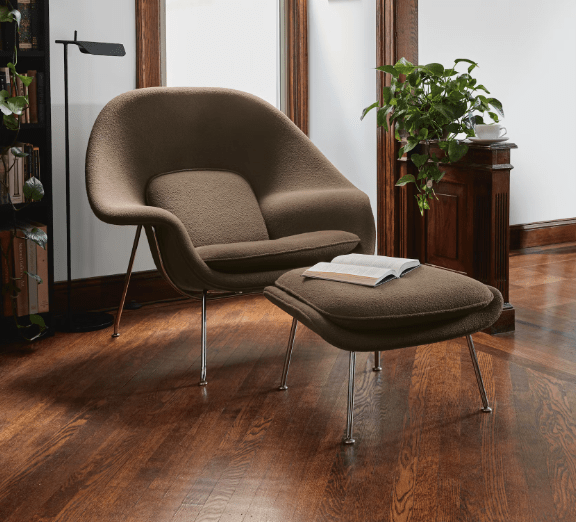
After the sofa, bring in accent chairs that add another material or shape. Industrial rooms look best when everything does not match. Instead of automatically choosing more leather seating, try a chair with a metal frame, exposed wood, a sling-style leather seat, or a sculptural profile.
The Eames Lounge Chair and Ottoman from Design Within Reach is a great example. The mix of leather, molded wood, and metal details works beautifully in an industrial living room. It adds sophistication without making the room feel too heavy.
For a vintage direction, Chairish and 1stDibs are excellent sources for leather club chairs, metal-framed lounge chairs, and pieces with patina.
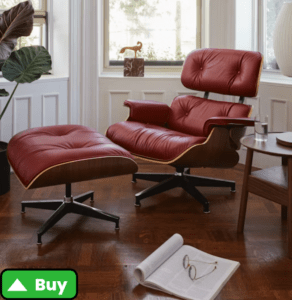
Herman Miller Eames Lounge Chair and Ottoman – dwr.om
Use a Reclaimed Wood Coffee Table
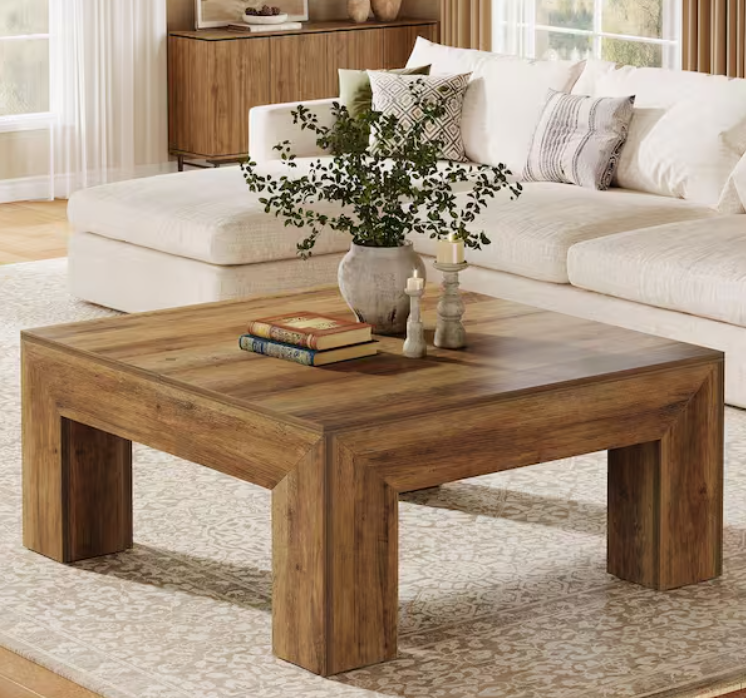
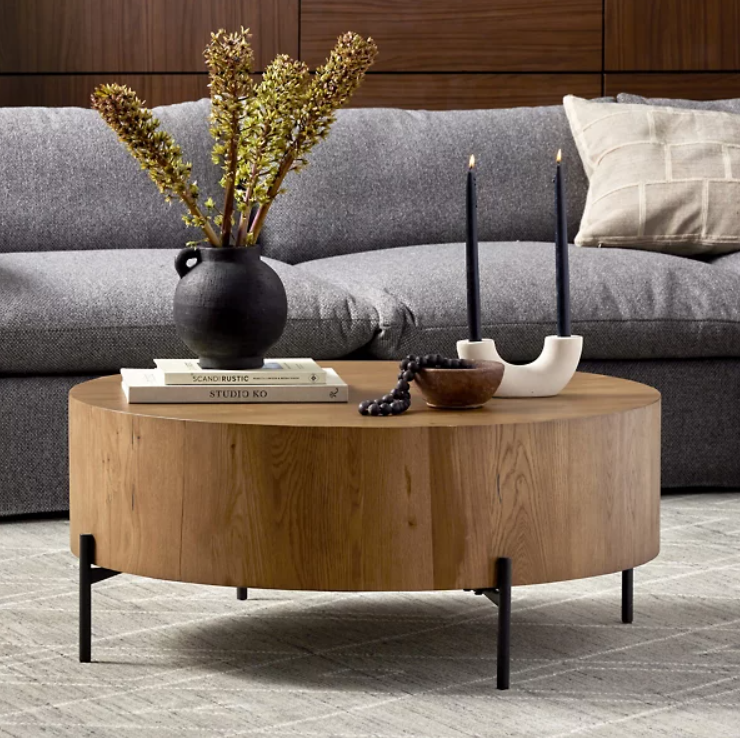
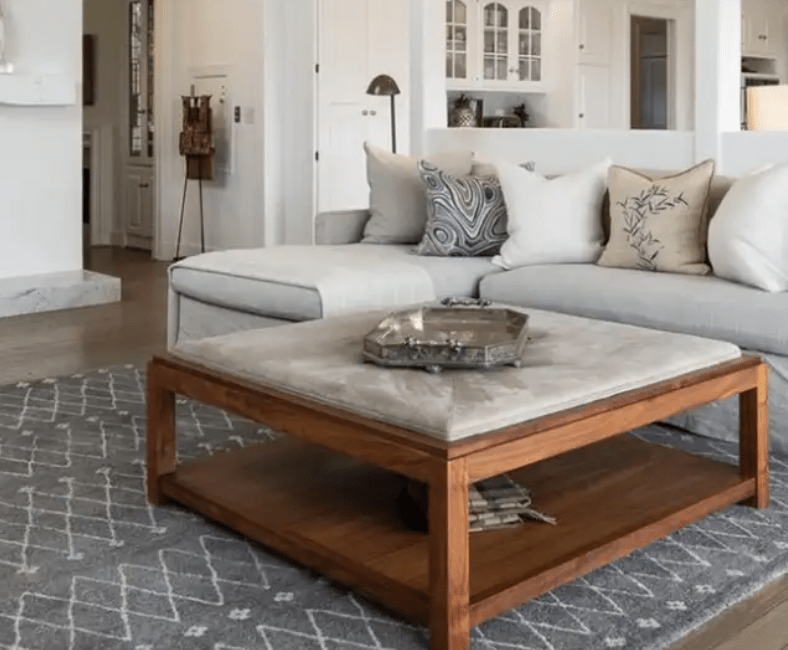
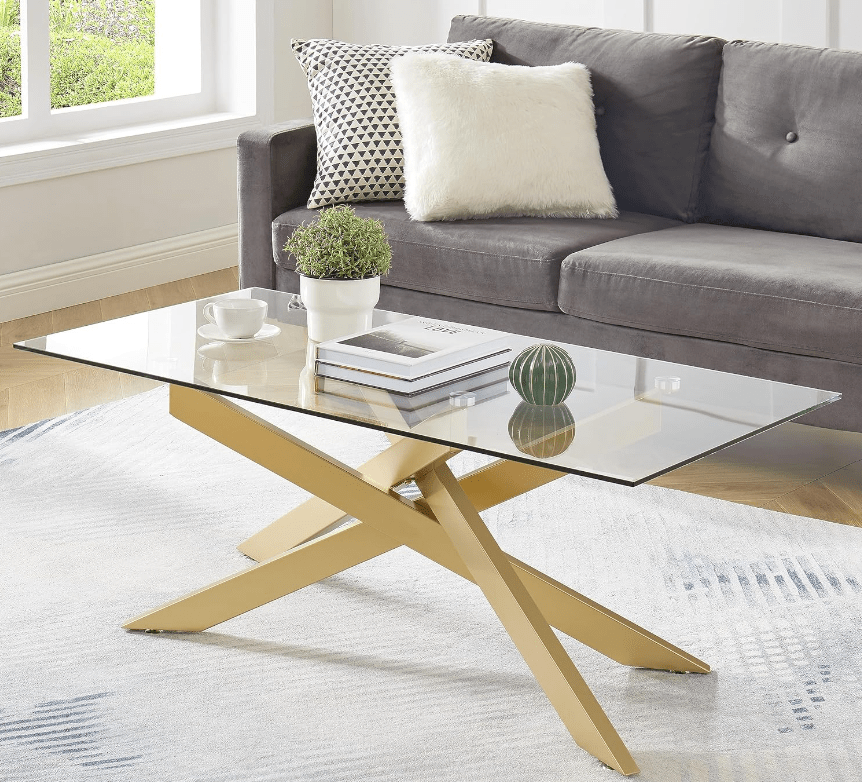
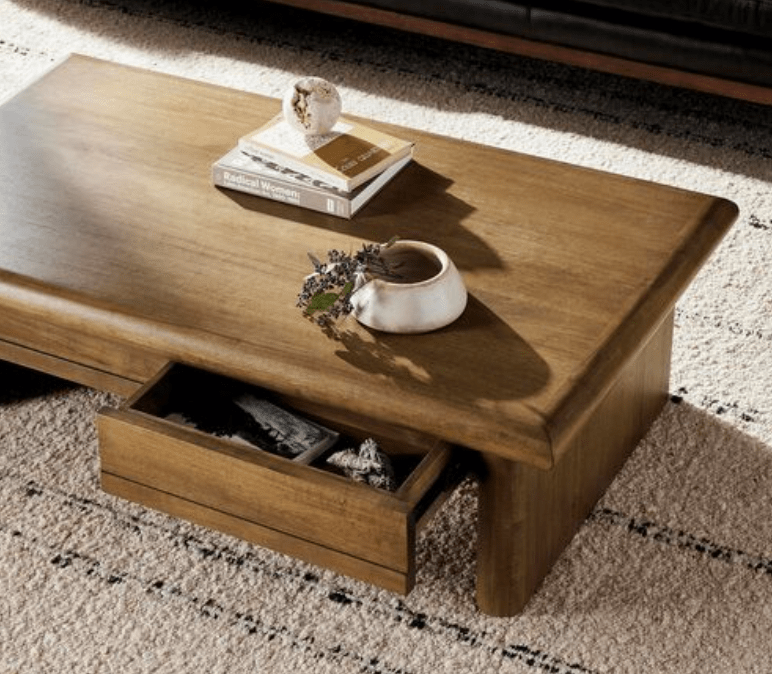
The coffee table should help ground the room. Industrial design usually benefits from a piece that feels substantial, whether that means reclaimed wood, iron legs, blackened steel, or a vintage factory-inspired base.
Chairish and 1stDibs are great places to search for vintage industrial coffee tables, reclaimed-wood cocktail tables, factory-cart tables, or metal-base designs. Scratches and worn edges are part of the charm.
If you want something cleaner, look at Arhaus or Jayson Home for wood coffee tables with simple shapes and darker finishes. The goal is to find a piece that feels strong, not delicate.
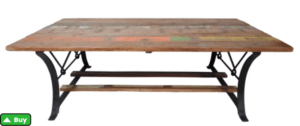
Vintage Reclaimed Wood Coffee Table – chairish.com
Keep the Color Palette Moody but Warm
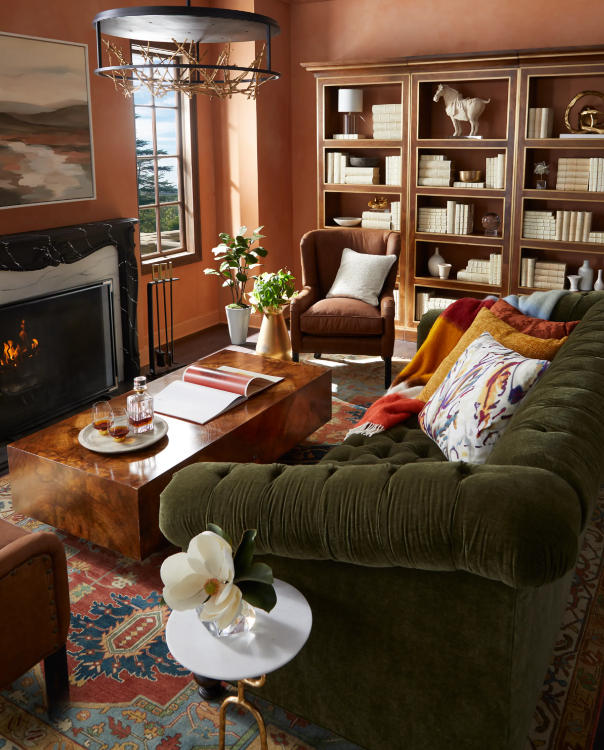
Industrial design often uses black, gray, brown, taupe, and metal tones, but avoids making the entire room dark. A good industrial palette has contrast. Try charcoal, warm white, walnut, cognac leather, blackened metal, and touches of rust, olive, or deep navy.
For the walls, a soft concrete gray, warm greige, or creamy off-white can work beautifully. If the client wants more drama, a charcoal accent wall or subtle plaster-effect wallpaper can add depth. Wallpaperdream.com may be useful for concrete-look or textured wallcoverings that add more atmosphere to the room.
The key is warmth. Industrial style should feel grounded and urban, but not gloomy.
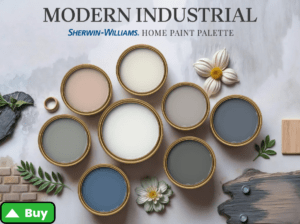
Modern Industrial Palette – etsy.com
Bring in Industrial Shelving
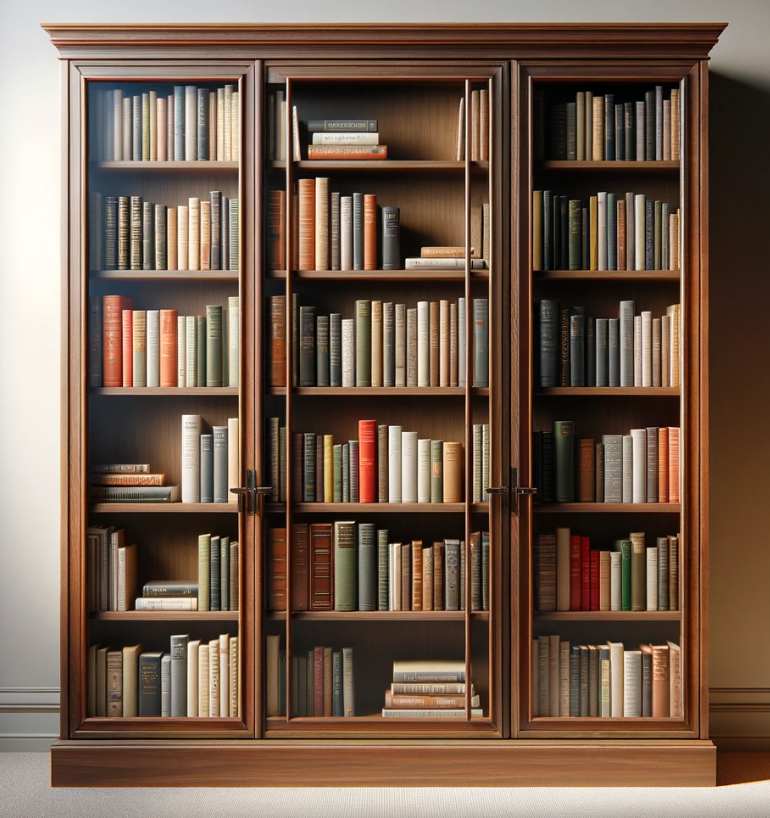
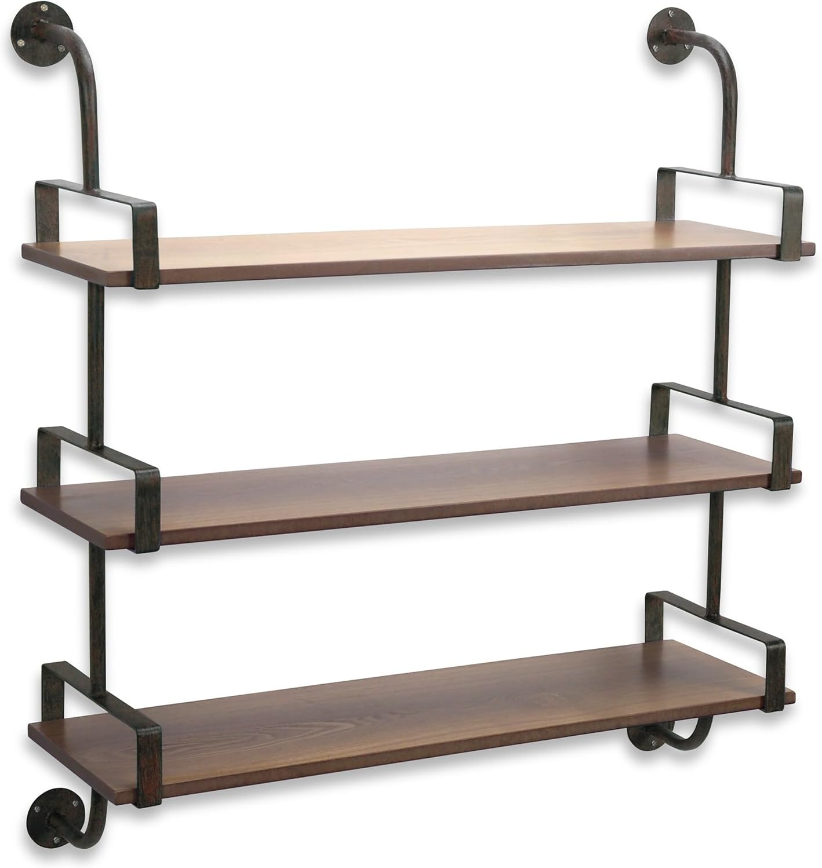
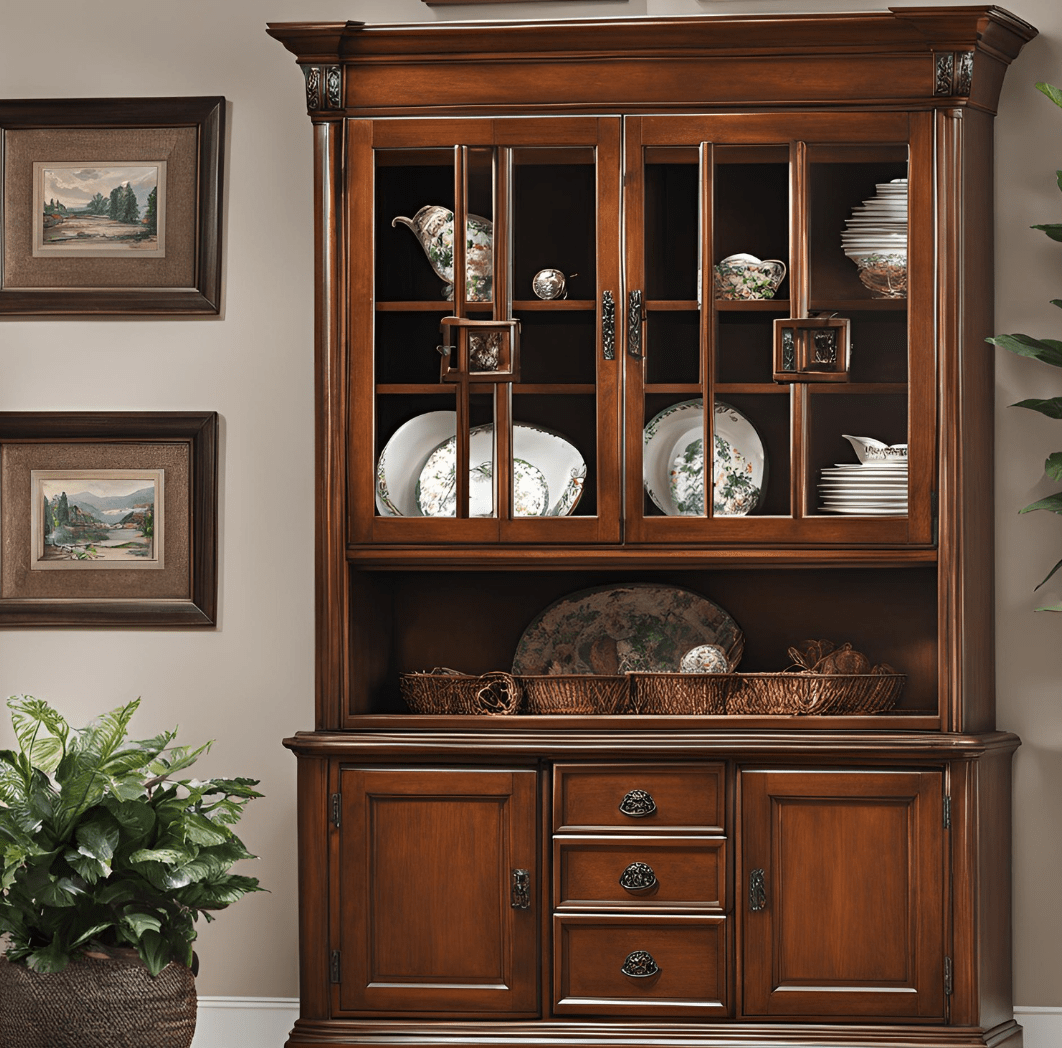
Storage can become part of the design. Instead of a basic bookcase, consider a steel étagère, a reclaimed-wood shelving unit, a vintage glass-front cabinet, or a factory-style storage piece. These give the room architectural character while creating a place to display books, art, and objects.
1stDibs is a strong source for vintage industrial shelving and metal cabinets. Style the shelves with books, ceramics, framed artwork, sculptural objects, and maybe a trailing plant. Leave some open space so it does not look cluttered. Industrial rooms feel better when the styling is edited.
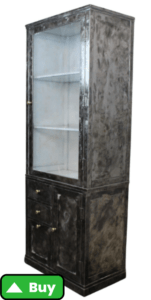
Industrial Brushed Steel 2-Piece 80 inch Display Cabinet – 1stdibs.com
Choose Lighting With Edge
Lighting is one of the most important details in an industrial living room. Look for fixtures with metal shades, exposed hardware, adjustable arms, simple silhouettes, or aged finishes. Black, bronze, gunmetal, and aged brass all work well.
Visual Comfort offers excellent options for a more elevated take on industrial lighting. The Parkington Medium Articulating Floor Lamp has a clean, functional feel. In contrast, the Barrett Large Knurled Floor Lamp by Ralph Lauren for Visual Comfort feels tailored and substantial. Lumens and LightsOnline are also good sources for floor lamps, sconces, pendants, and picture lights.
Layering matters. Use overhead lighting, a floor lamp, a table lamp, and maybe a sconce or picture light. Put everything on dimmers if possible.
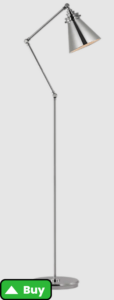
Parkington Medium Articulating Floor Lamp – visualcomfort.com
Soften the Room With a Rug
A rug is essential because industrial rooms can feel too hard without one. If the space has wood, concrete, or tile floors, a large area rug will instantly make the room feel warmer and more finished.
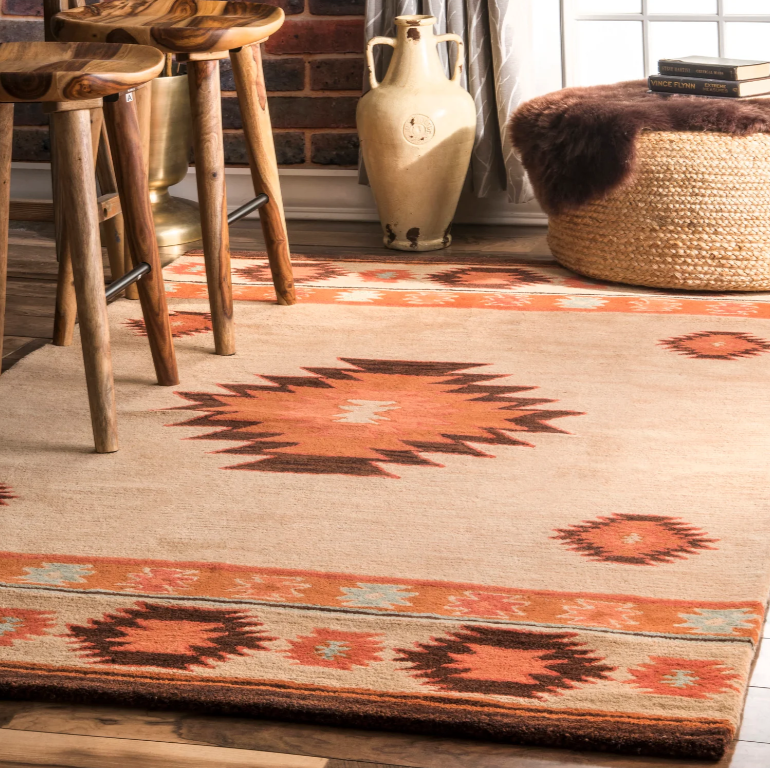
Look for a distressed vintage rug, a hand-knotted wool rug, a flatweave, or a textured low-pile rug. Colors like charcoal, taupe, rust, faded navy, ivory, and warm gray work well with leather and metal.
Good sources include Rug Source, RugsUSA, One Kings Lane, and Chairish. A vintage Persian-style rug can be especially beautiful because it adds pattern, history, and softness against the more rugged materials.
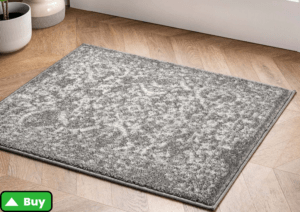
Floral Ornament Rug – rugsusa.com
Go Big With Art
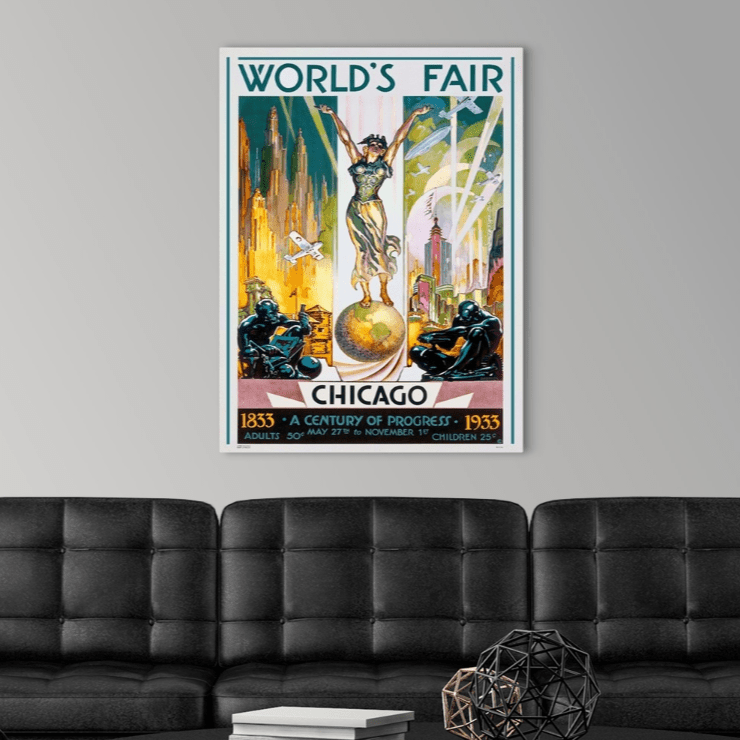
Industrial living rooms can handle bold artwork. In fact, they usually need it. Oversized art helps balance heavier furniture and gives the room a more intentional, designer look.
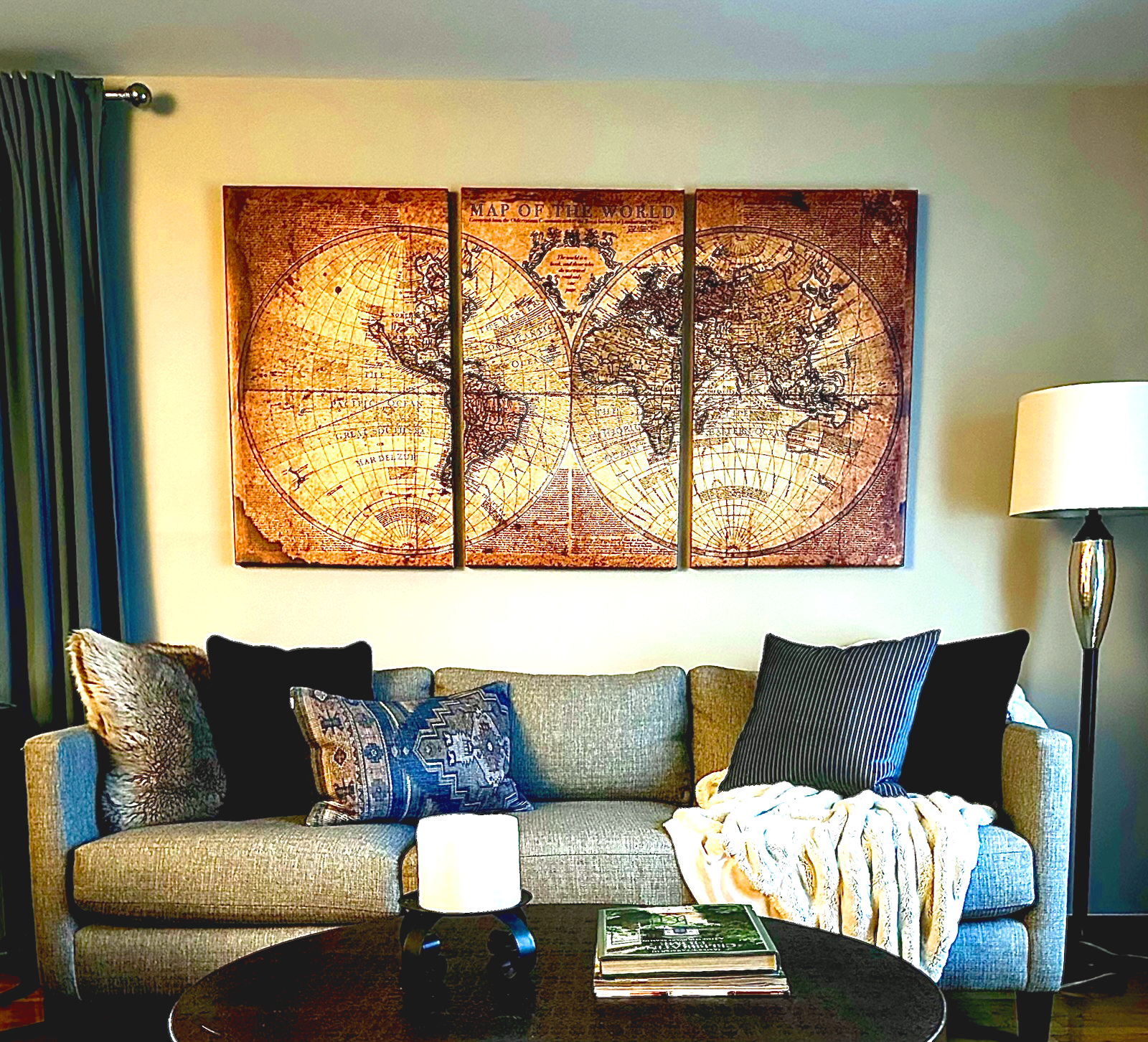
Consider black-and-white photography, abstract art, architectural prints, vintage maps, or moody city-inspired pieces. Art.com, Great Big Canvas, Minted, and Chairish are good places to look. One large piece above the sofa often looks more sophisticated than several small pieces. A black metal, walnut, or simple gallery frame will keep the look clean.

1970’s Vintage Reproduction 17th Century Map of Europe – chairish.com
Use Decor With Weight and Texture
Accessories should feel substantial, not fussy. Industrial style is not about filling every surface. It is about choosing fewer pieces with better texture and presence.
Try a stone bowl on the coffee table, a black metal tray, a smoked glass vase, leather boxes, ceramic vessels, or a vintage found object. Jonathan Adler can work well if the client wants a more polished designer accent. For one-of-a-kind pieces, Chairish and 1stDibs are ideal. Bloomingdale’s and Neiman Marcus can also help with upscale trays, vases, throws, and decorative objects.

Polished Stone Bowl – chairish.com
Layer in Pillows and Throws
This is where the room becomes comfortable. Since industrial design often uses hard surfaces, textiles are important. Use pillows and throws in linen, wool, boucle, leather, cotton, or cashmere.
Stick with colors that support the room: ivory, charcoal, camel, rust, olive, brown, and black. Avoid anything too shiny or overly patterned. Frette is a beautiful source for luxury throws, Pillow Guy is useful for pillows, and Anthropologie can add relaxed texture without making the room feel too formal.
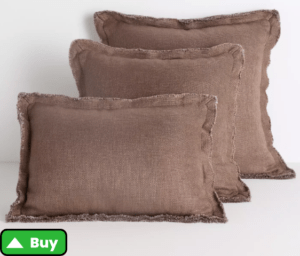
Luxe Linen Blend Pillow – anthropologie.com
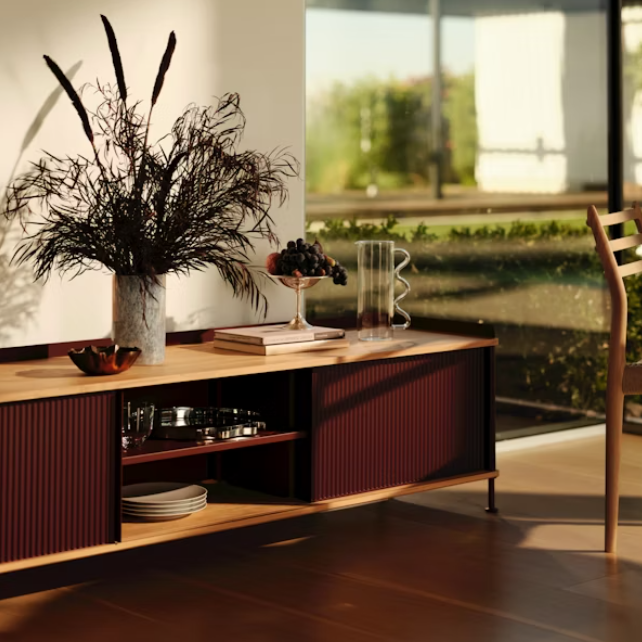
Choose the Right Media Console
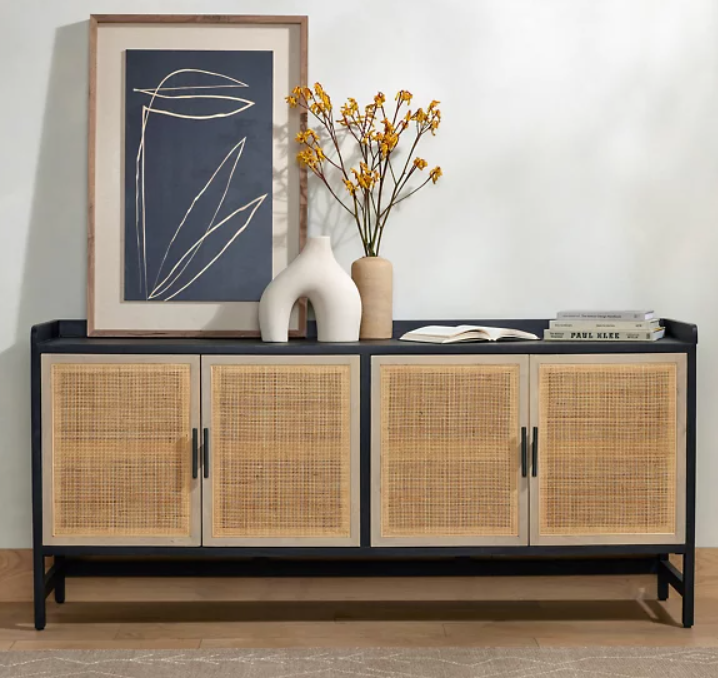
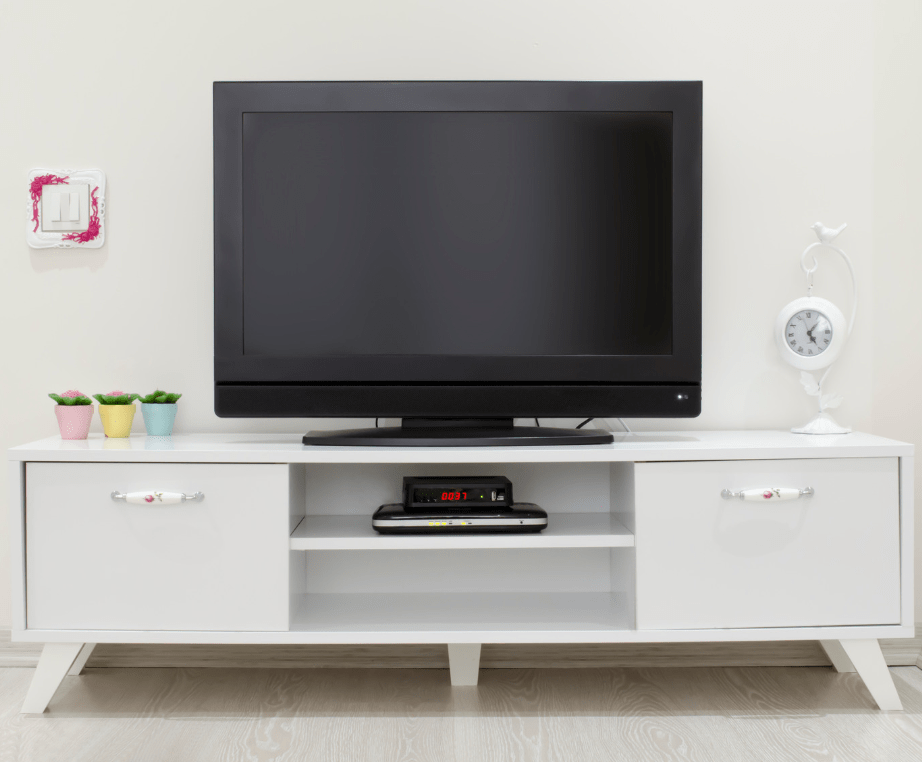
If the living room has a TV, the media console should still fit the style. Avoid glossy white finishes or pieces that feel too farmhouse. Better options include black metal, reclaimed wood, walnut, iron hardware, or a vintage cabinet.
Arhaus, Chairish, 1stDibs, and Jayson Home are good places to source substantial media consoles. Prioritize closed storage so remotes, cords, and everyday clutter stay hidden.
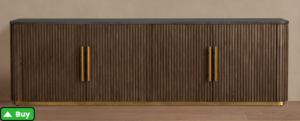
Finnley Media Console Mocha – arhaus.com
Finish With Greenery
A little greenery softens the whole room. Try a tall olive tree, rubber tree, fiddle leaf fig, or sculptural branch arrangement. Use a concrete, black ceramic, stone, or aged metal planter so it still feels connected to the industrial palette.
The final result should feel rugged but refined. A great industrial living room is not just metal and leather. It is a layered mix of texture, contrast, comfort, and character. When you combine strong anchor pieces with warm lighting, soft textiles, vintage details, and thoughtful accessories, the room feels stylish without trying too hard.

Shop Succulents Ficus Burgundy Rubber Tree, Live Indoor Floor Plant – amazon.com
FAQs
What is industrial interior design?
Industrial interior design draws its character from the raw, utilitarian look of converted factories, urban lofts, and warehouse spaces. It often uses materials like leather, metal, reclaimed wood, concrete, brick, and exposed hardware. The look is bold and relaxed, but it can still feel warm and polished when layered with rugs, lighting, textiles, and art.
How do you make an industrial living room feel warm?
To keep an industrial living room from feeling cold, balance hard materials with softer elements. Pair leather and metal with a large textured rug, warm wood tones, throw pillows, cozy blankets, layered lighting, and greenery. Warm colors like cognac, rust, olive, taupe, and cream also help soften the room.
What colors work best in an industrial living room?
Industrial living rooms usually look best with a grounded color palette. Good choices include charcoal, black, warm gray, brown, walnut, cognac, cream, rust, olive, and deep navy. The key is to use contrast while keeping the overall palette warm and cohesive.
What furniture works well for industrial interior design?
Leather sofas, metal-framed accent chairs, reclaimed wood coffee tables, vintage cabinets, steel shelving, and substantial media consoles all work well in an industrial living room. Look for pieces with strong lines, natural materials, aged finishes, and a mix of textures.
Can industrial interior design work in a small living room?
Yes. In a smaller living room, keep the palette simple and choose a few strong industrial elements instead of overloading the space. A leather sofa, slim metal floor lamp, textured rug, and one bold piece of art can create the look without making the room feel crowded.

Bert Solivan
Bert is a passionate interior design enthusiast and home decor blogger, known for curating spaces that blend timeless elegance with personal style. With an eye for detail and a love for mixing classic and contemporary elements, Bert shares expert tips, inspiration, and product finds through his blog, helping readers create beautiful, livable homes that tell their unique stories.