

Mid-Century Modern Living Room: 15 Ideas to Nail the Look
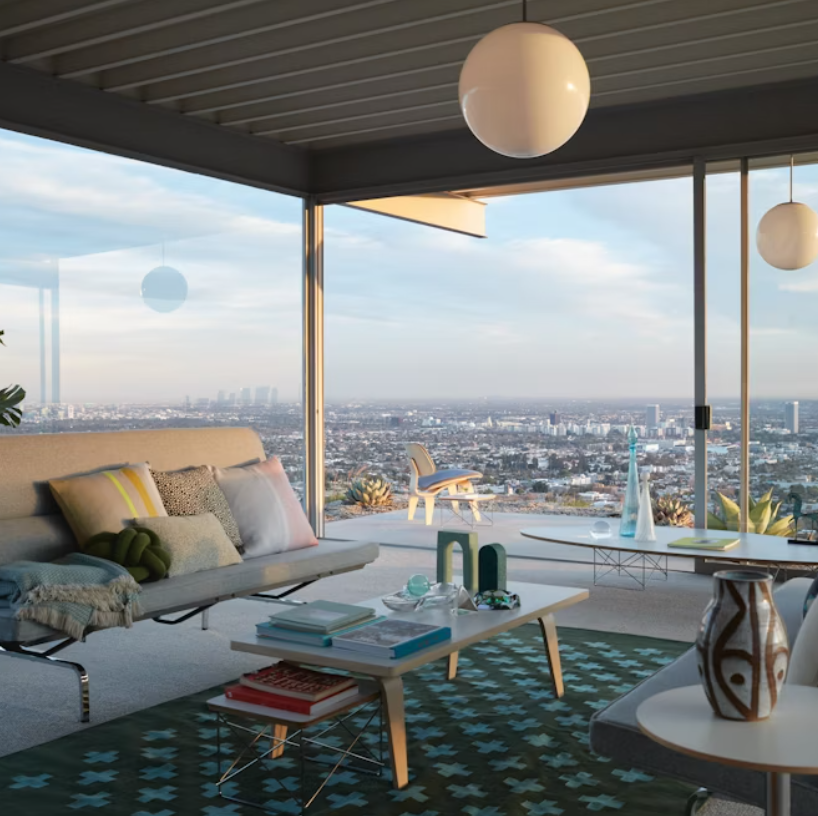
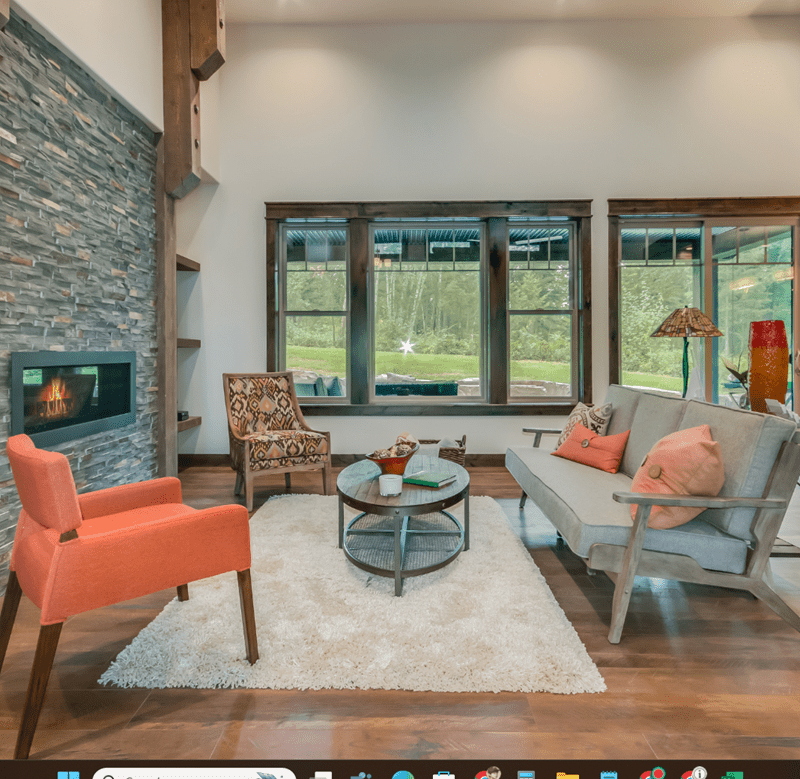
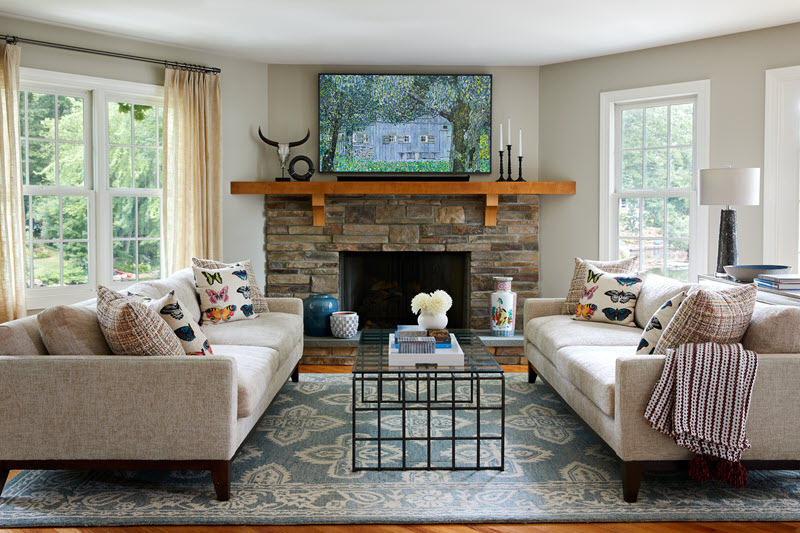
Mid-Century Modern design has that magic blend of clean lines, organic warmth, and timeless style, making a space feel fresh and rooted in history. If you’re dreaming of a living room that feels like a stylish nod to the ’50s and ’60s—without feeling like you’re stepping onto a Mad Men set—these tips will help you get there. Think of this as your easy guide to creating a room that’s beautiful, comfortable, and perfectly balanced between retro charm and modern-day livability.
Start with a Statement Sofa
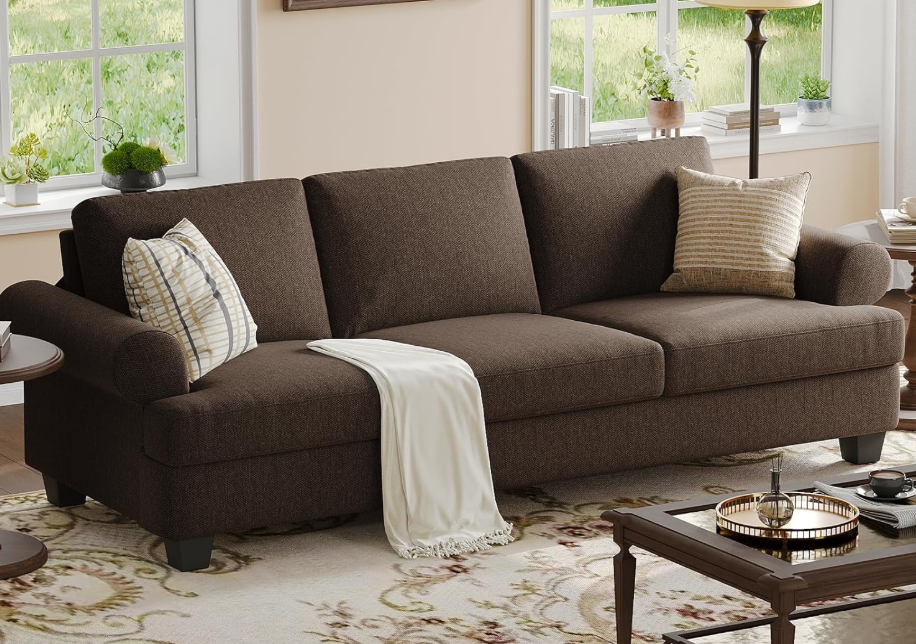
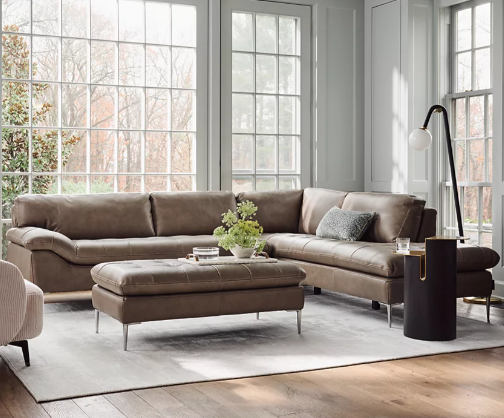
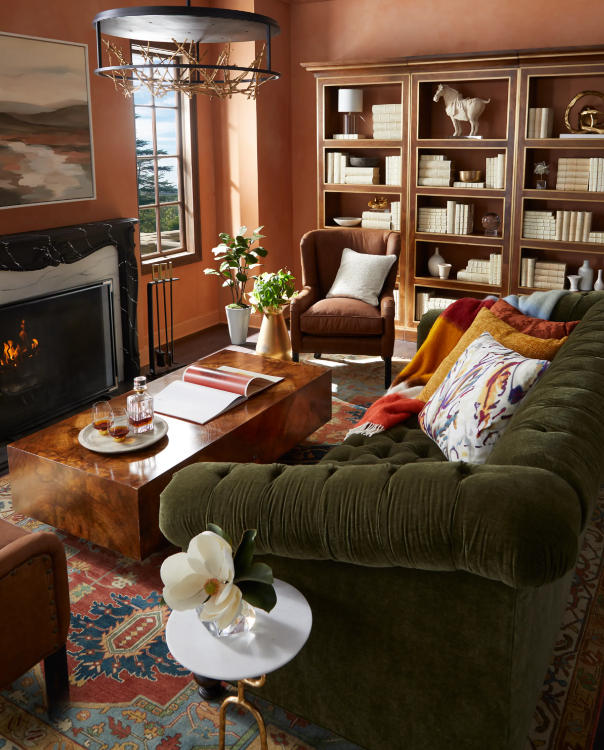
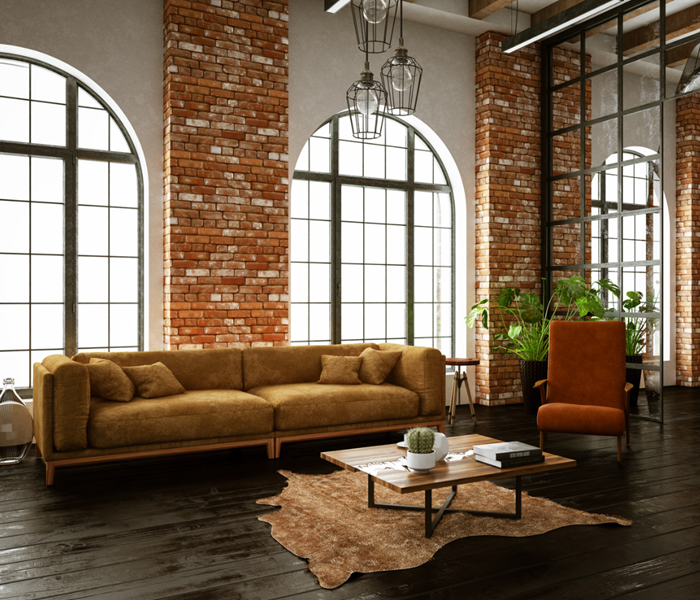
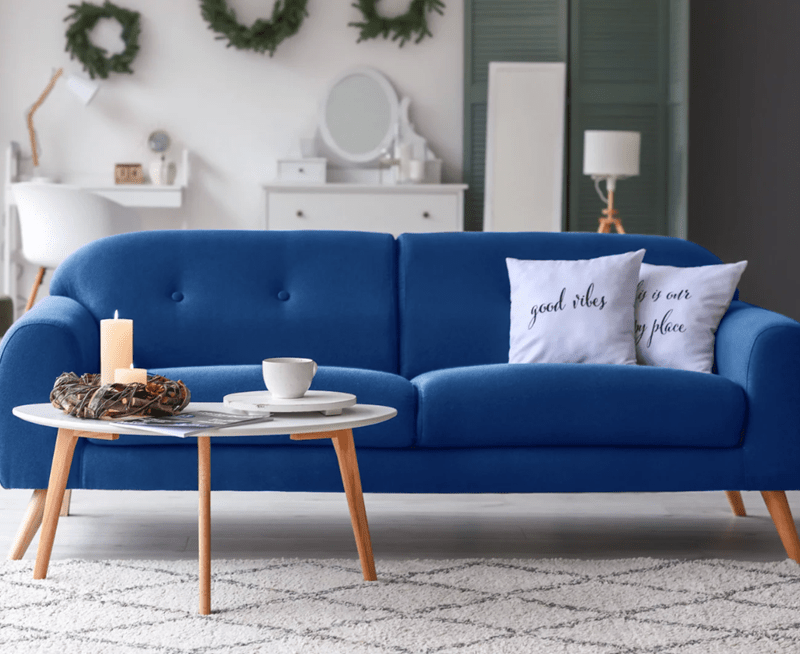
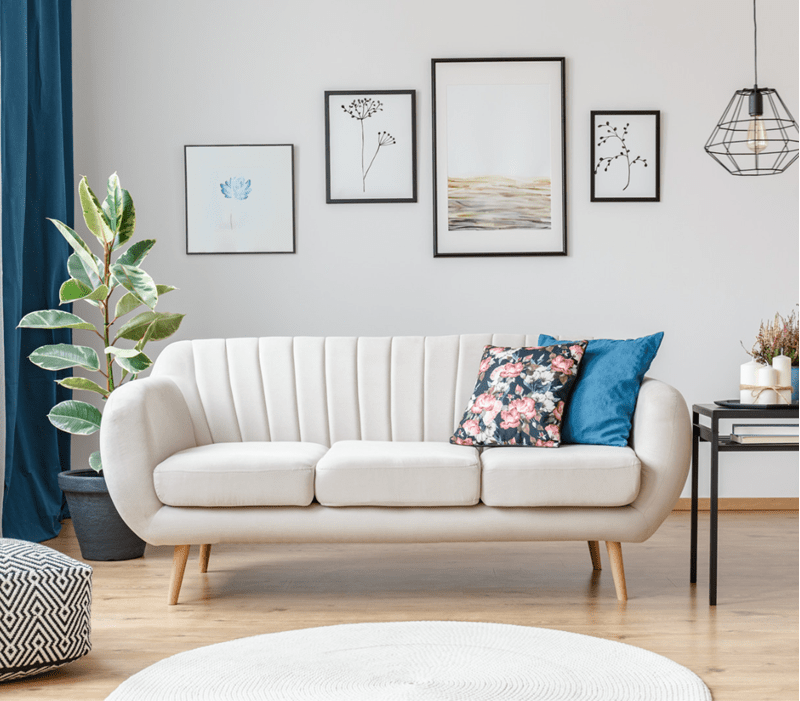
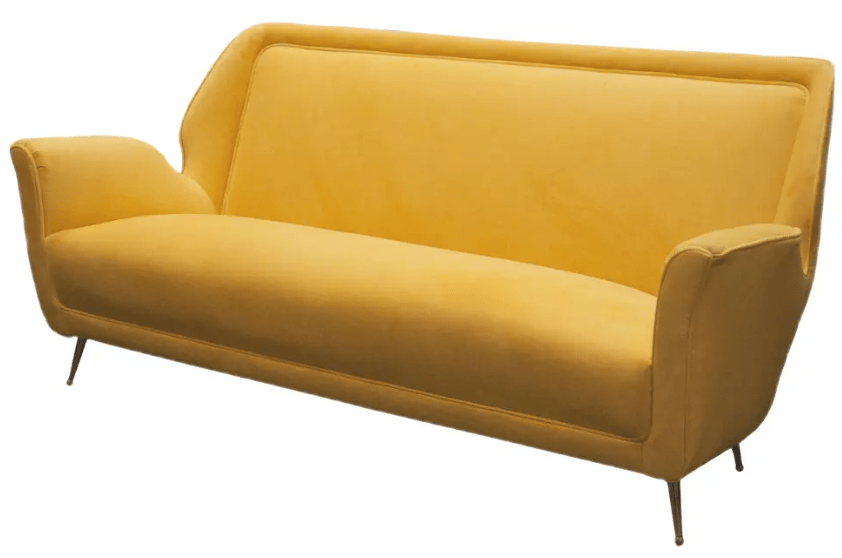
The sofa is your room’s anchor, so go for something that captures the era’s iconic look: low profile, tufted cushions, and slim tapered legs. Opt for upholstery in textured fabrics like tweed or wool blends for that authentic mid-century feel. Colors like camel, charcoal, olive green, or a bold mustard can all work beautifully, depending on your comfort level with color. Bonus: These shapes naturally make the room feel more spacious because of their lighter, raised-off-the-floor silhouettes.
Eames Sofa Compact – hermanmiller.com
Incorporate Organic Shapes in Accent Chairs
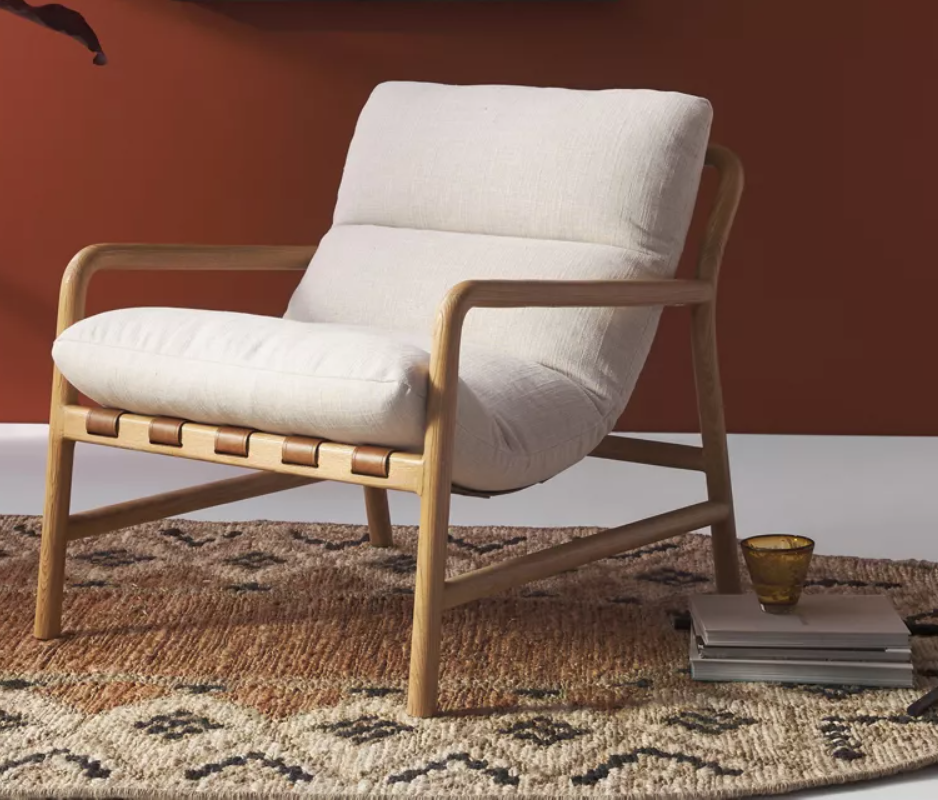
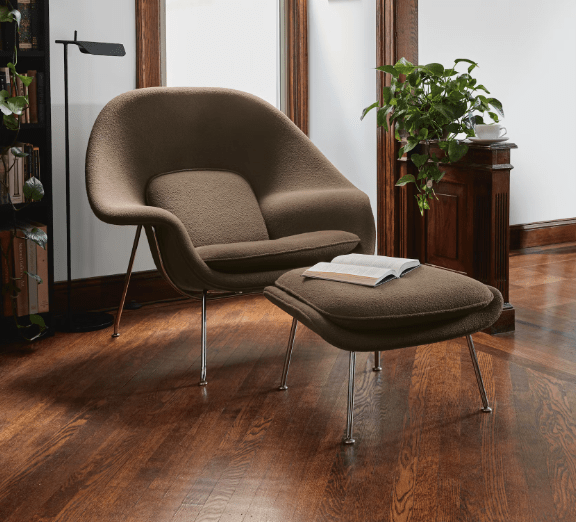
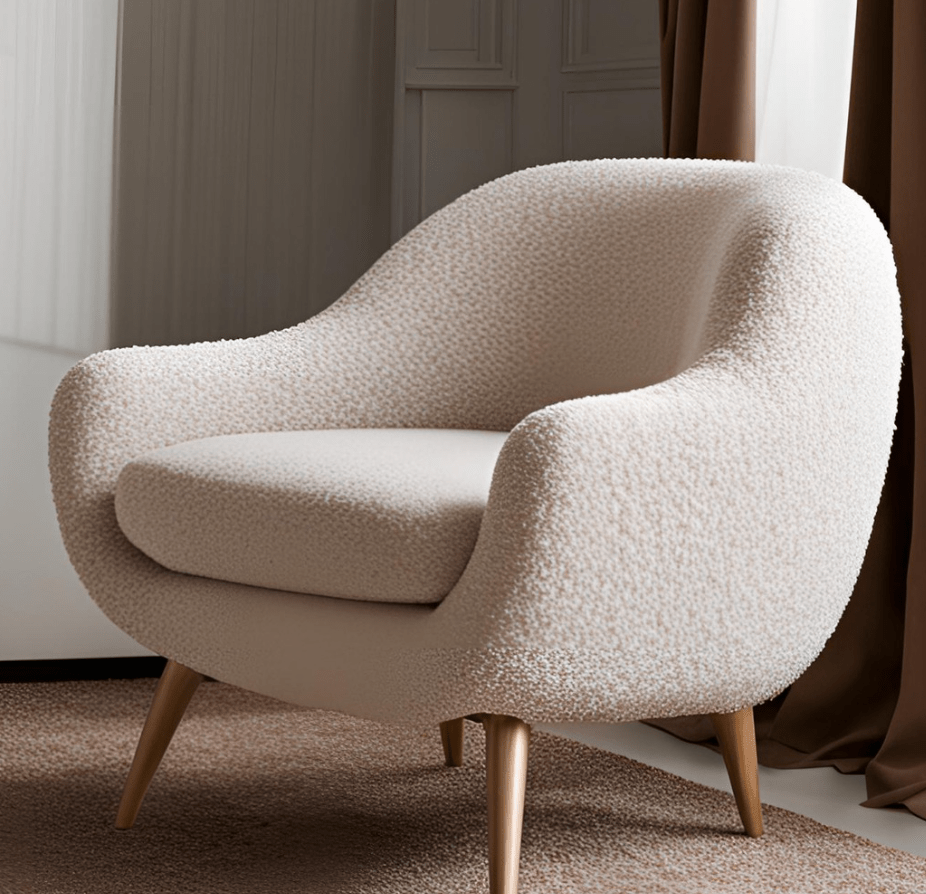
Mid-century design is known for its smooth, sculptural curves, so don’t be afraid to mix in a couple of statement chairs with rounded lines. Think shell chairs, womb chairs, or a clean-lined lounge chair with a wooden frame. If your sofa is neutral, this is a perfect opportunity to introduce a pop of color—burnt orange, teal, or moss green all work well.
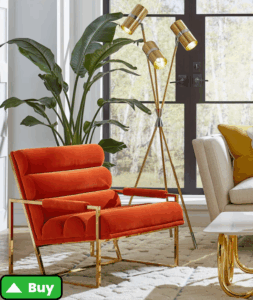
Channeled Goldfinger Lounge Chair – jonathanadler.com
Embrace Wood Tones (But Mix Them Wisely)
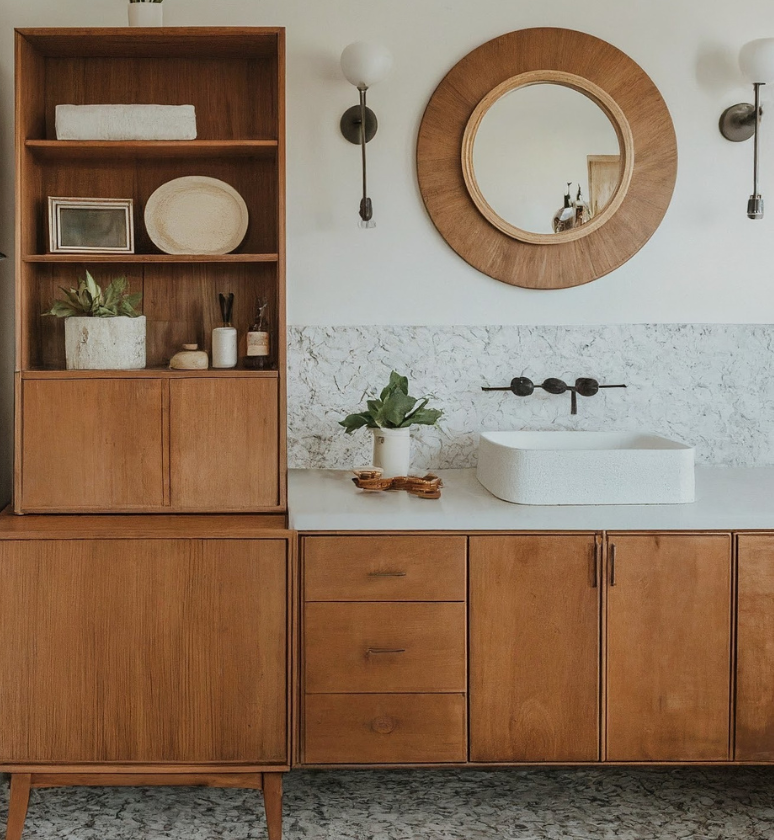
Walnut is the quintessential mid-century wood, but teak, rosewood, and oak can also work. Don’t stress about matching everything perfectly—a bit of variety keeps things interesting. For example, a walnut coffee table paired with a teak sideboard and oak shelving can still feel cohesive if the tones complement each other. The key is sticking to warm, natural finishes—avoid overly glossy stains or gray-washed woods.
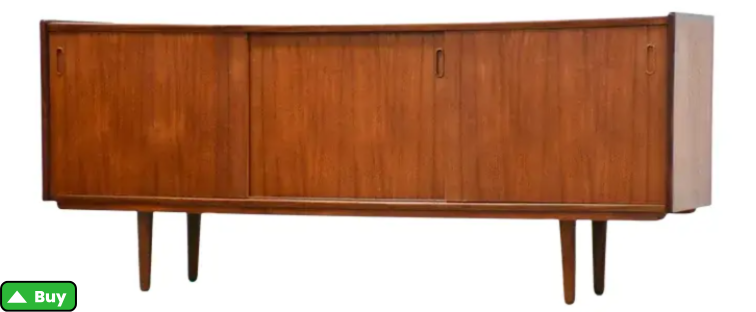
Danish Modern Teak Sideboard Credenza – chairish.com
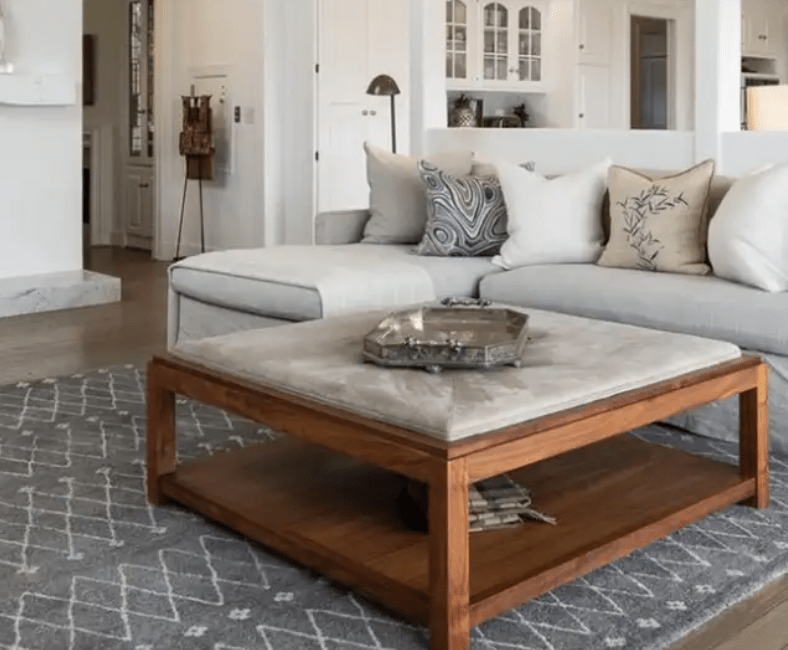
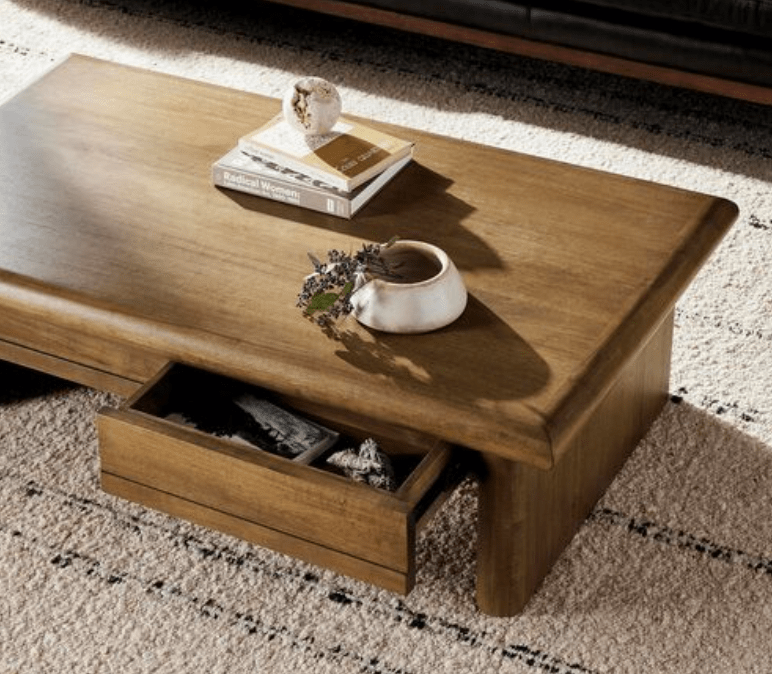
Choose a Coffee Table with Personality
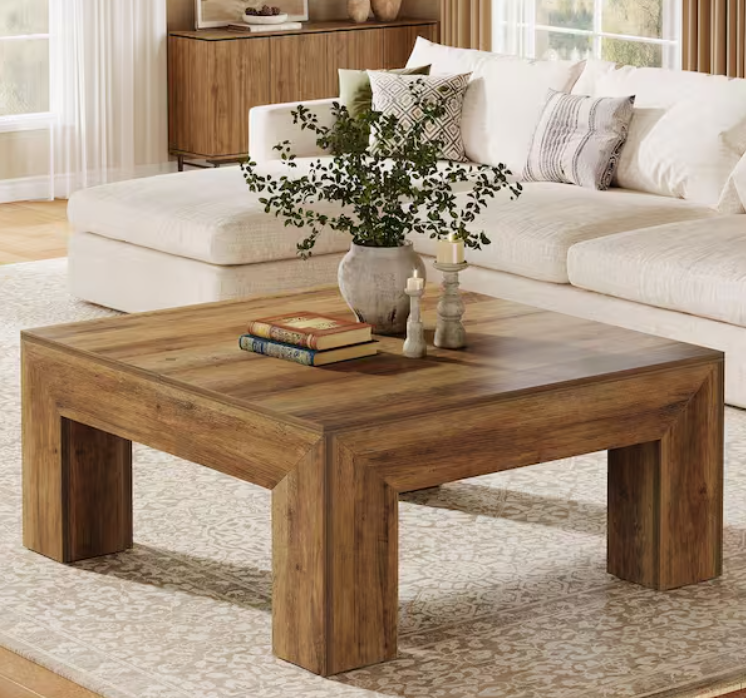
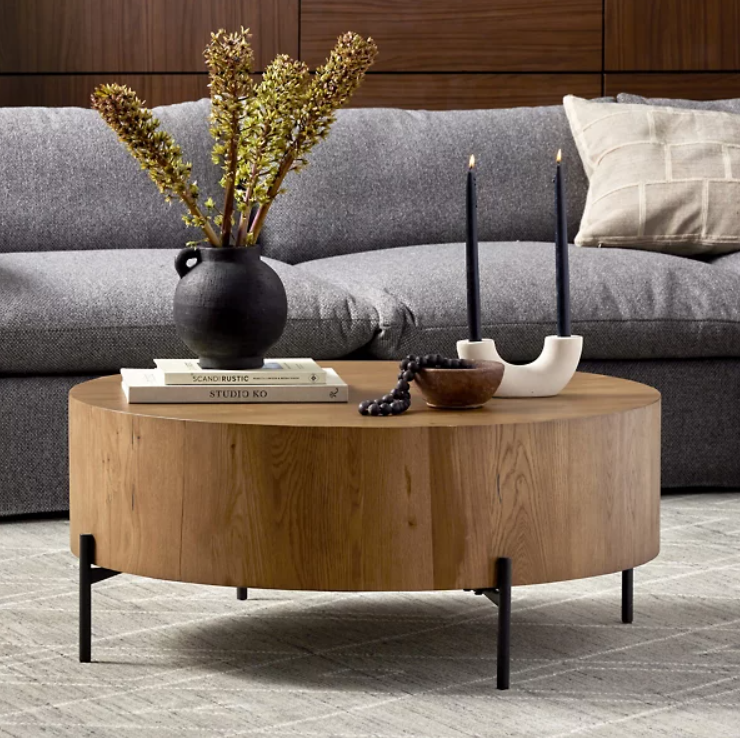
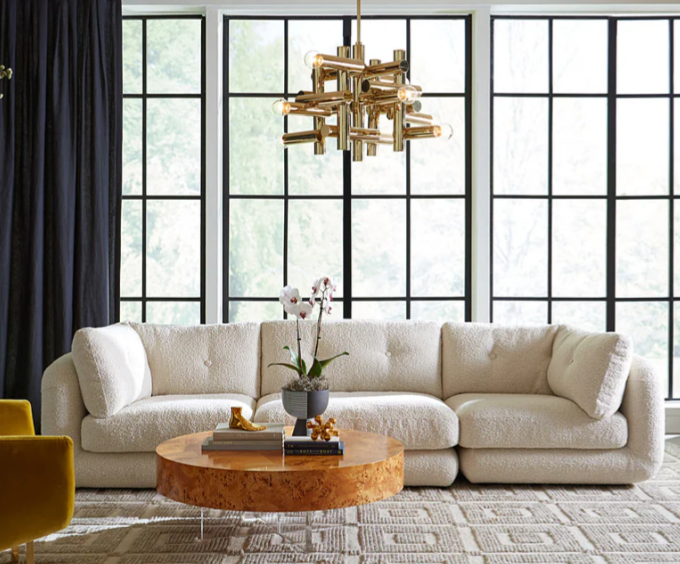
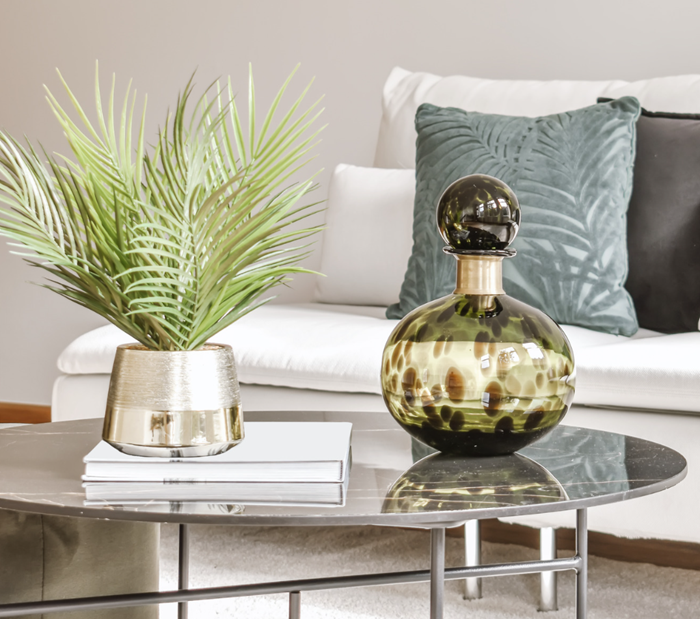
Skip the generic rectangle and go for something that feels like a piece of art. Kidney-shaped tables, round pedestal bases, or simple glass tops with sculptural wood legs are all mid-century staples. This is one area where function meets sculpture—you want it to be practical for your needs and visually interesting enough to stand out.

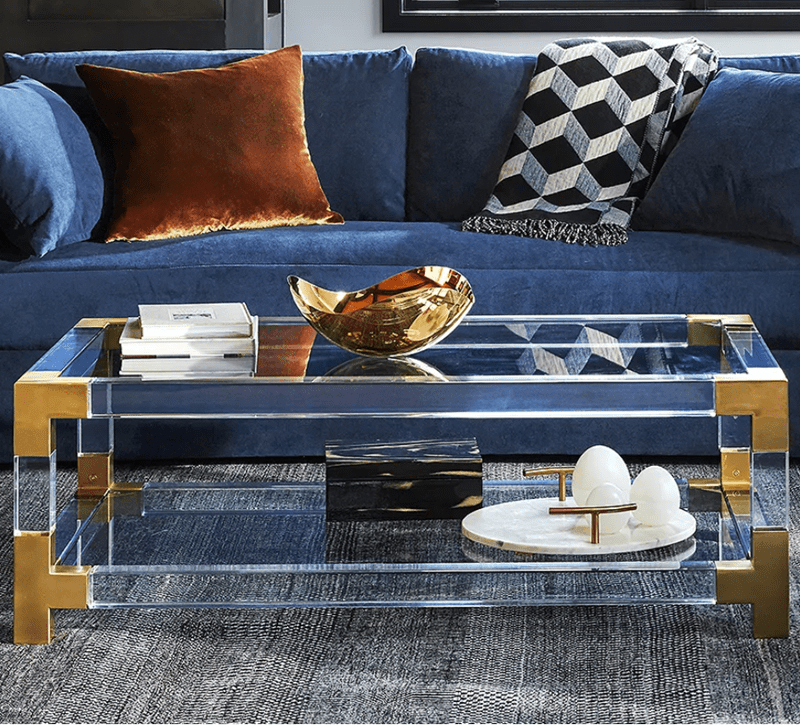
Mid-Century Modern 23-Karat Gold-Plated Coffee Table – 1stdibs.com
Add Pops of Retro Color in Accessories
Mid-century palettes often balance warm neutrals with strategic pops of bold color. Accent serving trays, pillows, throws, or even a geometric rug can bring in hues like mustard yellow, burnt orange, avocado green, or peacock blue. The key is moderation—too many bold tones can feel overwhelming. Aim for one or two accent colors repeated a few times in the space for cohesion.
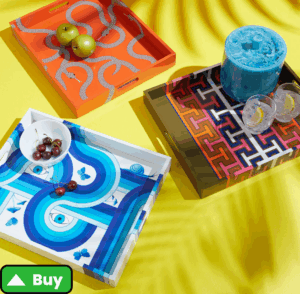
Eden Lacquer Tray – jonathanadler.com
Layer in Iconic Lighting
Lighting in a mid-century modern space can be very fun. Floor lamps with tripod bases, sputnik chandeliers, globe pendants, or arched lamps with marble bases all add sculptural beauty. Choose warm white bulbs to keep the look cozy and avoid harsh, cool-toned lighting.
Bonus tip: Lighting at different heights—floor lamps, table lamps, and overhead—creates depth and warmth in the room.
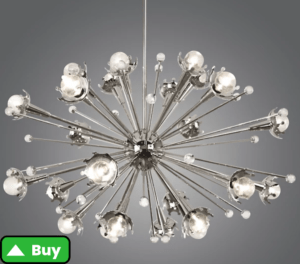
Sputnik Chandelier by Jonathan Adler – lumens.com
Keep the Walls Light (But Not Boring)
White walls are always a safe bet for that fresh, open feel, but you could also experiment with muted mid-century tones like soft sage, dusty blue, or pale taupe. If you want a stronger statement, try a feature wall in a deeper color (think rich teal or warm terracotta) behind your sofa or fireplace. This works exceptionally well if you have art or shelving to break up the expanse.
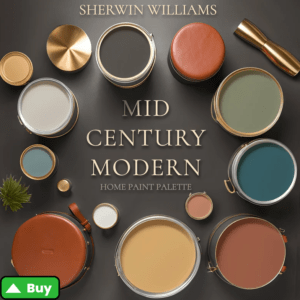
Sherwin Williams Mid Century Modern Color Palette 53 page digital pdf presentation – etsy.com
Bring in Mid-Century Storage Pieces
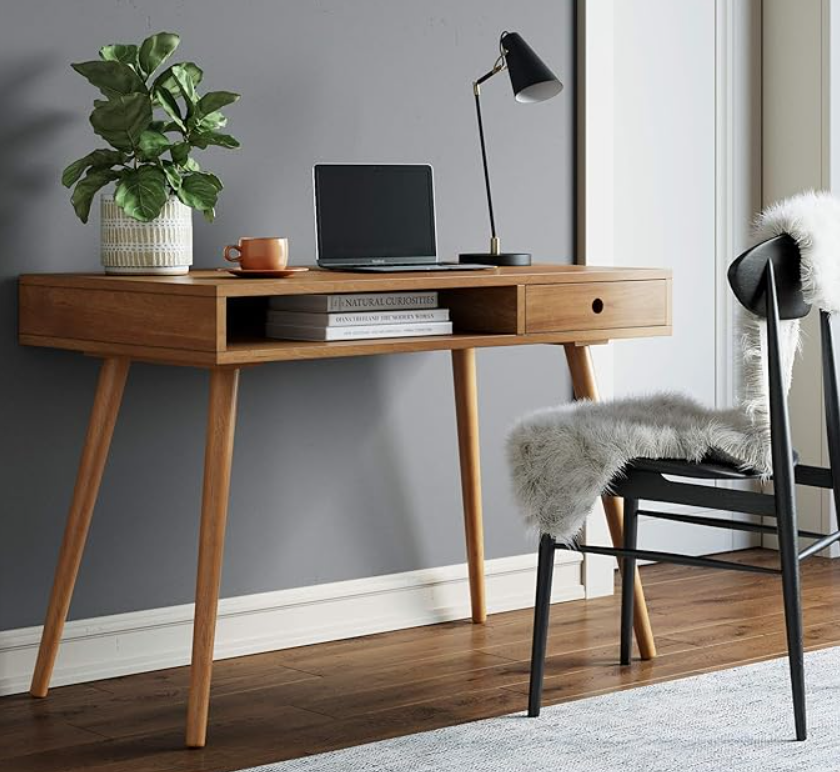
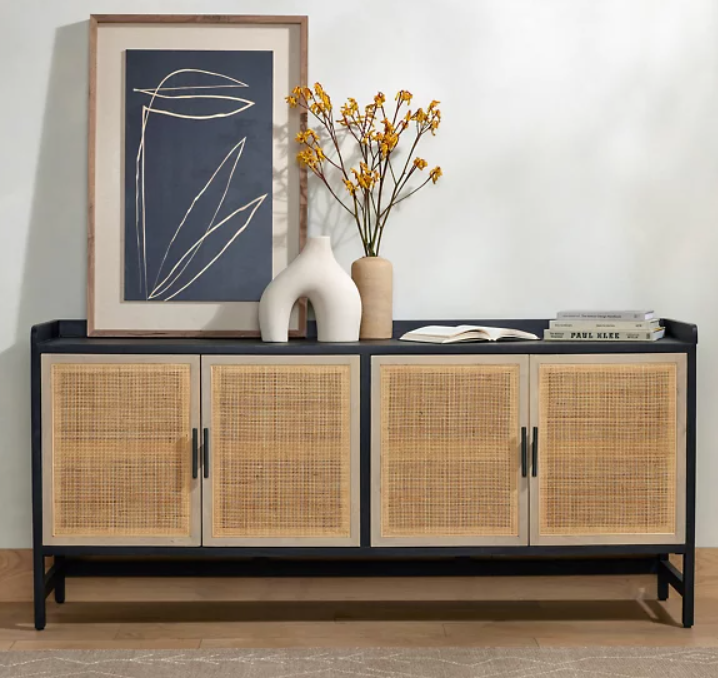
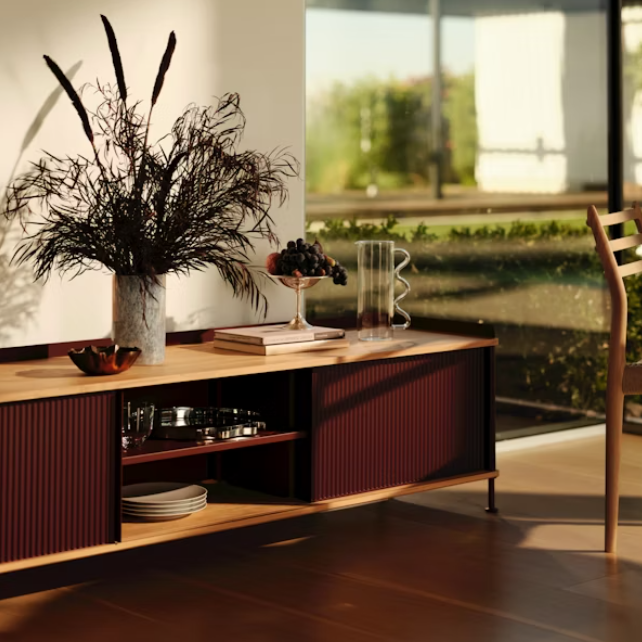
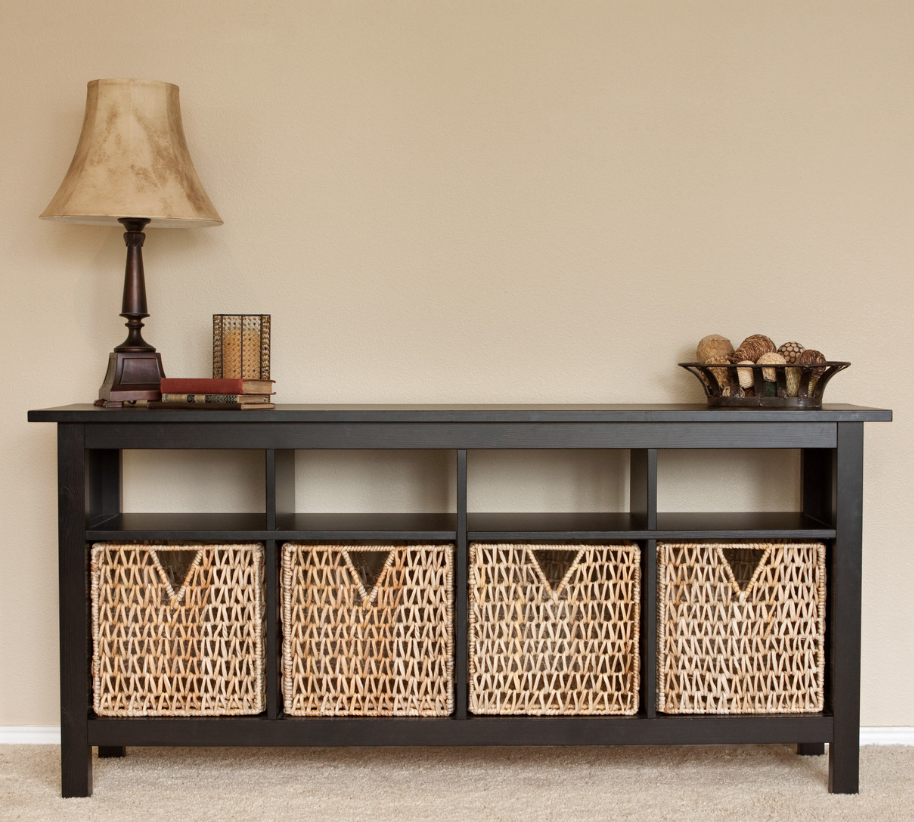
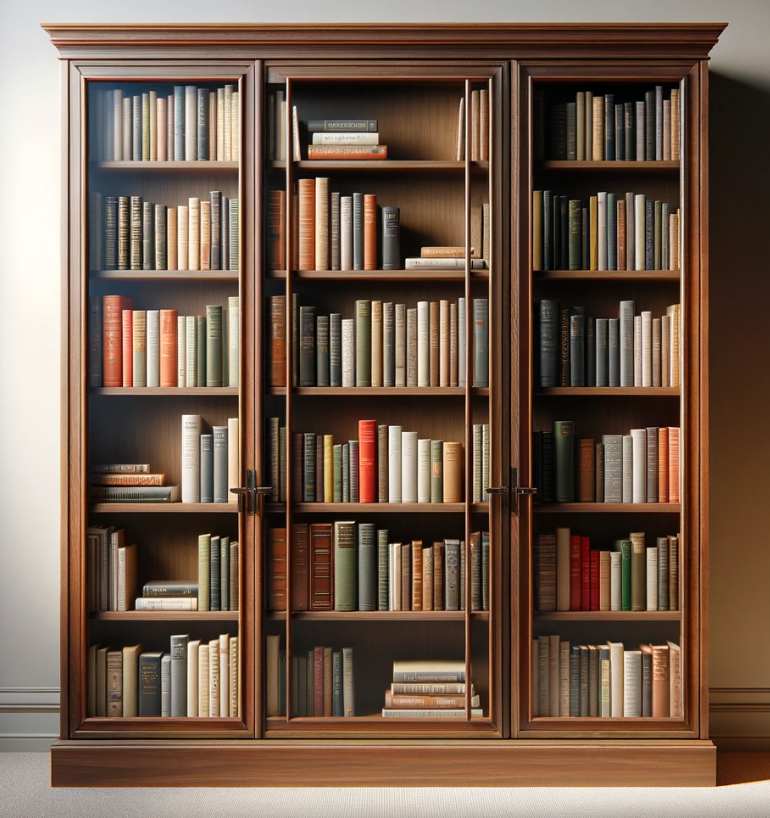
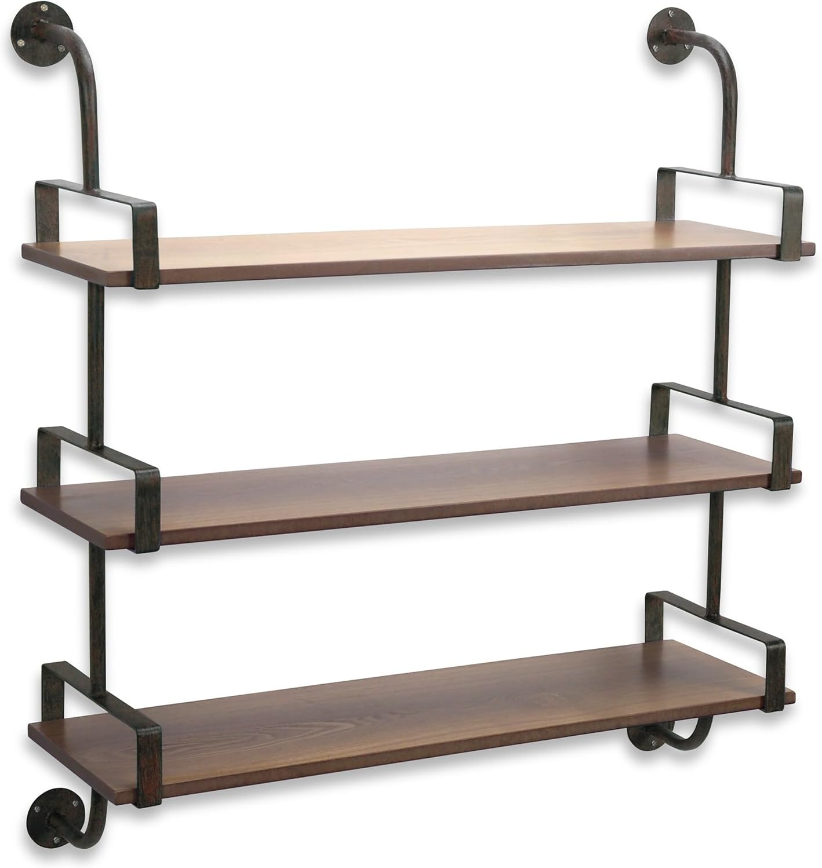
A sleek, low-profile credenza can double as a stylish focal point and functional storage. Use it to hide away electronics, books, or extra blankets. Open shelving with staggered compartments is another mid-century favorite—it’s perfect for displaying books, ceramics, and plants without feeling cluttered. Look for items with clean lines, tapered legs, and minimal hardware.
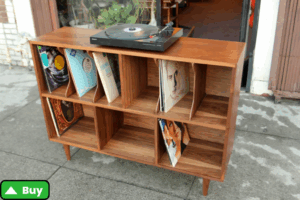
Double Decker Walnut Record Credenza – chairish.com
Mix in Textures for Warmth
Mid-century spaces look their best when they balance sleek lines with cozy textures. Pair smooth wood furniture with nubby upholstery, shag or wool rugs, and soft woven throws. Even leather (especially in a warm caramel tone) can be a great texture layer—maybe in the form of an accent chair or ottoman. The goal is to make the room visually interesting and physically inviting.
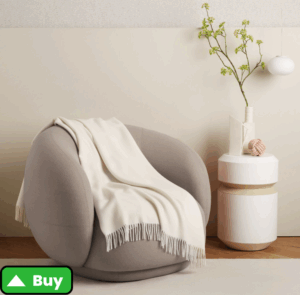
Pure Cashmere Throw – frette.com
Use Art to Tie It All Together
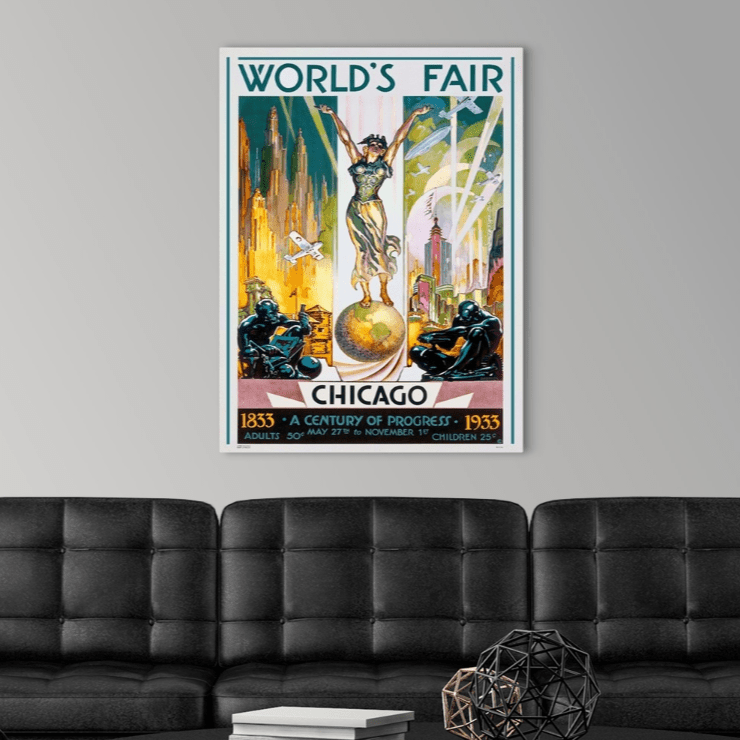
Abstract prints, geometric patterns, and minimalist line drawings all feel right at home in a mid-century modern space. Vintage travel posters, botanical illustrations, and black-and-white photography can also work beautifully. When framing, stick to slim black, white, or wood frames—nothing too ornate. A gallery wall can look great, but keep it structured rather than random for a more refined vibe.
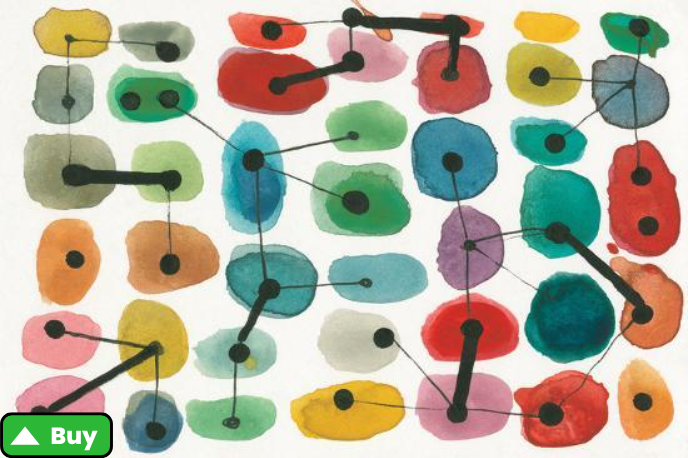
Mid Century II – art.com
Don’t Forget the Rug
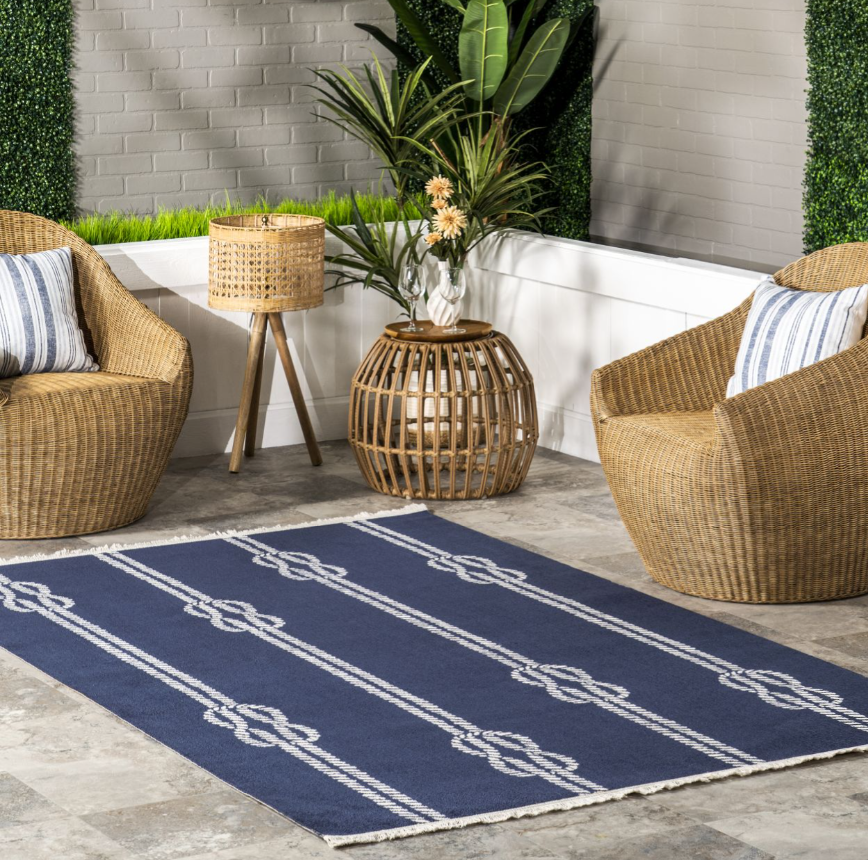
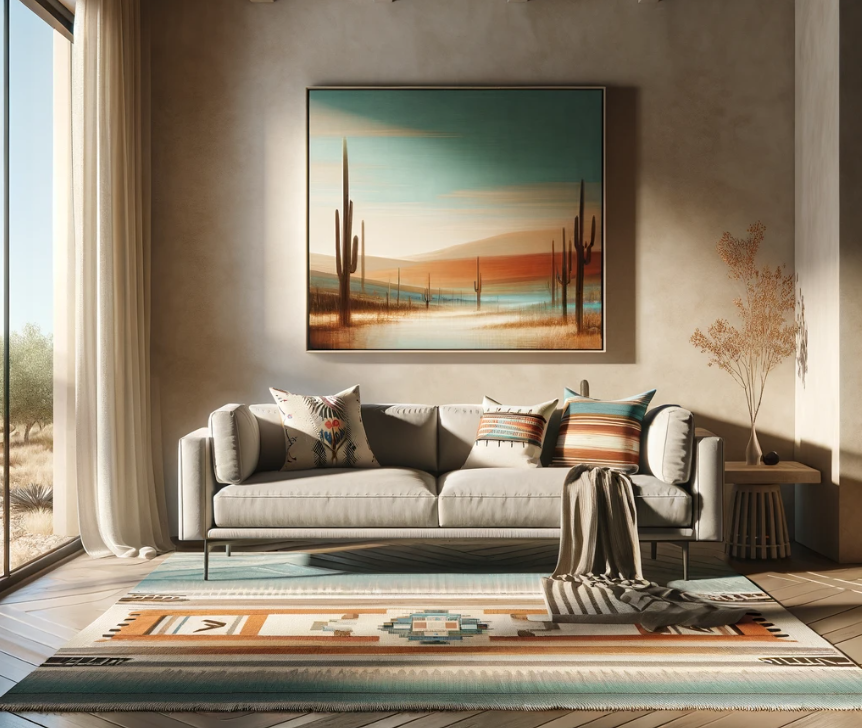
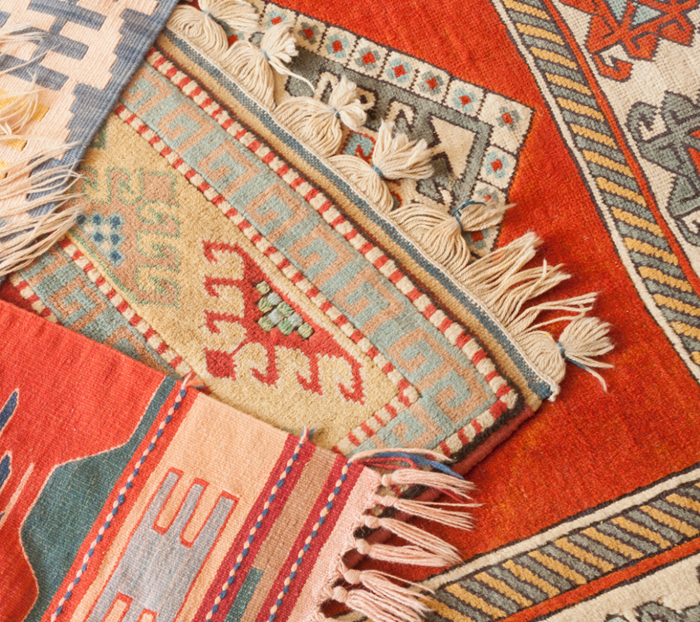
A good rug grounds the space and adds that cozy, finished feeling. For mid-century style, try a geometric pattern, bold solid color, or a subtle textured weave. Make sure it’s large enough to anchor your seating area—all major furniture pieces should have at least their front legs on the rug. Flatweave rugs are common for this style, but a plush option can make the space feel warmer if your floors are hard.
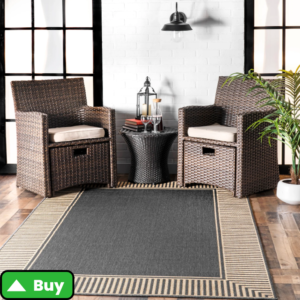
Striped Border Indoor Outdoor Flatweave Rug – rugsusa.com
Add Greenery for Life and Freshness
Houseplants were a mid-century staple, and they’re just as essential today. Go for tall statement plants like fiddle-leaf figs, rubber trees, or snake plants. Smaller plants in ceramic planters look great on shelves and side tables. Look for vintage-style plant stands with thin metal legs to lean into the retro vibe.
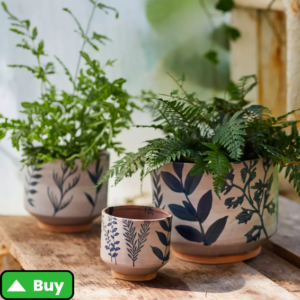
Ceramic Botanics Footed Planter – anthropologie.com
Keep Clutter in Check
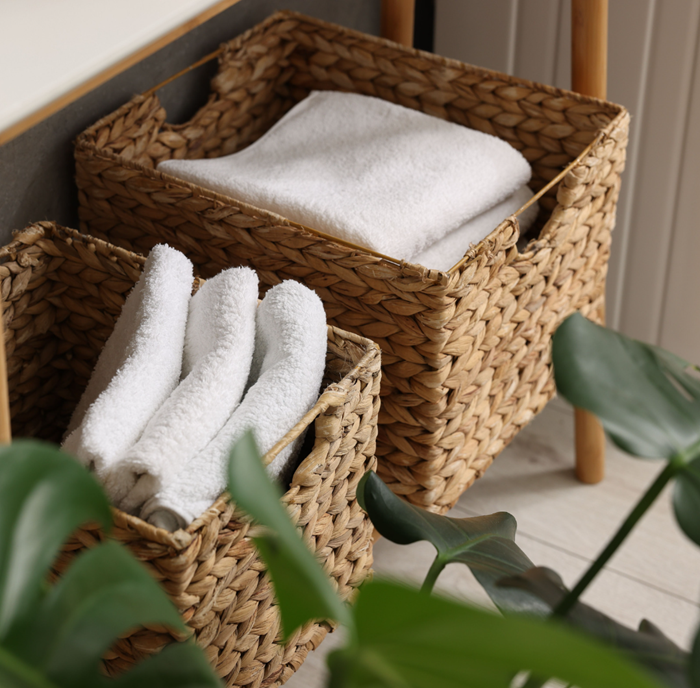
One of the hallmarks of mid-century design is its clean, uncluttered look. That doesn’t mean the room should feel sterile—just intentional. Use trays to corral smaller items, baskets for blankets, and closed storage for anything that might look messy. This makes the space more visually appealing and keeps it functional for everyday living.
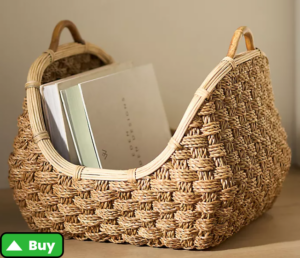
Log Seagrass Basket – anthropologie.com
Layer in Small Vintage Touches
A few well-chosen vintage accessories can make the space feel authentic. Think ceramic vases, teak bowls, retro clocks, or a vintage bar cart stocked with your favorite glassware. The trick is to mix these in with modern pieces so the room feels curated rather than themed.

Vintage Mid-Century Sunburst Starburst Wall Clock, Germany, 1980s – 1stdibs.com
Balance Symmetry and Asymmetry
Mid-century design often embraces symmetry—like matching lamps on either side of a sofa—but isn’t afraid to break it. Try pairing a large floor lamp on one side of the couch with a cluster of plants on the other. This keeps the space feeling balanced but not too predictable.
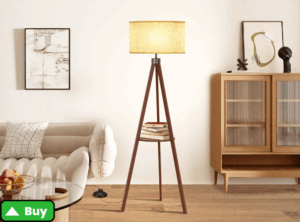
LEPOWER Tripod Floor Lamp, Mid Century Wood Standing Lamp – amazon.com
Mid-Century Modern Living Rooms with Timeless Comfort
Mid-century modern living rooms are about that sweet spot where style meets livability. You want it to feel warm, inviting, and timeless—never overly “done” or like a furniture showroom. Mix streamlined forms, natural curves, rich wood finishes, and balanced pops of color to craft a space that’s timeless yet inviting—ideal for lounging, hosting, or enjoying your morning coffee.

Bert Solivan
Bert is a passionate interior design enthusiast and home decor blogger, known for curating spaces that blend timeless elegance with personal style. With an eye for detail and a love for mixing classic and contemporary elements, Bert shares expert tips, inspiration, and product finds through his blog, helping readers create beautiful, livable homes that tell their unique stories.